9. Supplements and Additives For Reefs and Saltwater Aquariums
With all the chemicals and additives on the market it appears that either manufacturers are eager to find something to sell or they are on the cutting edge and making this hobby easier. The truth probably lies somewhere in between. Many good products have been developed based on sound biological and chemical principles that have lived up to their claims, while others simply play into our need to ‘do something’ to our tanks. The following list is a recommendation of those products which have proved beneficial in reliable studies both in our own facilities and by nationally recognized aquatic biologists and institutions.
Remember, many products are beneficial at less frequent or lower doses than the manufacturers state. Experimentation is encouraged in reef tanks in order to find the ideal balance between nutrients and coral production without algae growth. Do not exceed product recommendations without specific instructions from an experienced aquarist. Overdose at your own risk.
Supplements & Additives are broken down into the categories listed below. Note some freshwater products are mentioned for added information, clarity, to identify them as freshwater only, and for hobbyists who keep both freshwater and saltwater tanks.
Fish Health
These are the products that are designed to help keep fish healthy by either providing valuable nutrients that fish get from the wild or by providing a nutrient that helps strengthen the immune system in the captive environment.
The vitamin and nutrient group of products includes products designed to enhance the immune system, color, and longevity of fish by providing nutrients that may be missing from their captive diets. This group also includes the Omega fatty acids. Studies are constantly underway to enhance coloration, resistance to disease, spawning behavior and to alleviate controversial ailments like Lateral Line Disease. One thing is clear – fish would be most healthy if their diets were duplicated from the wild. The best way to attempt this is to vary the diet with quality frozen foods as much as possible. Some supplements, like VitaChem.
Other products in the group are classified as probiotics and are designed specifically to enhance the health of captive fish by making them immune to specific disease. AquaLife Bio-Pro Plus Probiotic Health Supplement is an exclusive formulation, when used as directed, provides one million colony forming units (CFUs) of live probiotic microorganisms per drop. In addition, each drop delivers 1.25 mg of vitamin C (ascorbic acid), together with chelated iron equivalent to .08 mg Fe. Research has shown that feeding vitamin C along with probiotics improved fish health to a greater extent than resulted from probiotics alone. Separate studies have shown that iron in small amounts is an essential trace mineral in the diet of fishes, required for the formation of hemoglobin, for example.
S.E.L.C.O. Boost Food Enrichment is a high quality food soak to boost aquarium foods nutritional value and immune boosting efficacy.
Next in the group are the products that provide Trace Elements. Fish get most of their trace elements from the food they eat. Some more delicate species are more easily kept and show better color and growth when the trace elements of their natural habitats are more closely duplicated. Often these elements are stripped away from foods by carbon and other chemical-type filtration.
Red Sea TRACE COLORS A | B | C | D supplements contain the 31 minor and trace elements present in the skeleton and soft tissue of all corals.
A – Halogens (I2, Br2, F2)
B – Potassium & Boron
C – Fe & 7 Complementary Metals
D – 18 Bioactive Trace Elements
The elements in each supplement are related by their biological function and are associated with the production of specific color pigments (Pink, Red, Green/Yellow and Purple/Blue) in the soft tissue of stony corals. All 31 elements are required by all stony corals irrespective of the actual color the coral displays.
Reef Additives
The most extensive and controversial group is reef additives. The reason is because so many hobbyists have tried such a wide range of products and claim great results. This group includes some types of products that are mandatory for keeping invertebrates and corals.
Because filtration methods vary and organisms use reef chemicals at different rates, water testing before and after the addition of supplements is highly recommended. In addition to ammonia, nitrite, nitrate and pH, you should be testing calcium, alkalinity, and magnesium.
Red Sea Reef Foundation Pro Multi Test Kit
Calcium
There are plenty of choices in this category. Everyone likes something a little different. The bottom line is reef tanks need calcium between 400 and 500ppm with an alkalinity of 2.5-3.5 meq/l or 7-10dKH.
Calcium Hydroxide, or “kalkwasser” is considered by many reef keepers to be the best way to add calcium. Kalwasser is used with R/O water to make a solution that is used for topping off or replacing the evaporated water from the aquarium.
Kalk+2 Advanced Kalkwasser Supplement contains calcium, strontium, and magnesium in the same ionic ratios found in aragonite. This unique feature increases the usefulness of Kalk+2 to reef-building invertebrates such as corals, clams, calcareous algae, etc., and provides temporary alkalinity to help maintain pH within the desired range when used as directed.
Calcium Chloride
The products containing this calcium have several advantages – easy to use, dissolve easily, and do not alter the pH drastically like Kalkwasser can. They do not tend to support pH and alkalinity and should be used along with Reef Builder. Some have balanced amounts of strontium and magnesium which are needed in proper proportions to calcium for coral growth. They can be used along with occasional use of kalkwasser or as the main source for calcium in the aquarium.
Reef Complete is an excellent product and it has balanced proportions of strontium and magnesium. The advantage of using individual supplements and not mixed products is different amounts of individual chemicals can be added to best suit the needs of the livestock being housed.
If magnesium levels are low, supplement with Aquavitro Ions. This products, only sold in local stores, not online, delivers fully dissolved magnesium without introducing ammonia, a typical manufacturing by-product found in many other magnesium supplements.
AquaLife Reef Supplements ensure the correct balance of important chemical components of seawater so crucial to the long term success of every marine reef aquarium. Of primary importance to the survival of corals, mollusks and many other reef invertebrates is the supply of calcium and carbonate ions. Without these components in the correct ionic ratio, invertebrates cannot deposit calcium carbonate in their skeletons or shells. Because organisms extract calcium and carbonate ions from the surrounding water, regular supplementation is necessary to replenish these ions.
Every reef aquarium is different in terms of the kind and number of organisms living in it, and therefore the rate at which calcium and carbonate ions are removed from the water. It is therefore impossible to give all-inclusive instructions for using this or any other liquid supplement product. It is necessary to determine by means of water tests, the calcium concentration, alkalinity and magnesium concentration of the aquarium. Once this information is obtained, it is relatively easy to calculate the quantity of supplement to be added. Typical ocean surface values for these parameters are: Magnesium1280 ppm; Calcium 420 ppm; Alkalinity 2.5 meq/L (7 dKH).
AquaLife Magnesium Part A
AquaLife Calcium Part B
AquaLife Alkalinity Part C
Calcium Gluconates
This concentrated and highly bio-available organic calcium will not deplete alkalinity and is easily utilized by corals. It promotes vigorous proliferation of coralline algae. Although many people have shown concerns for the long term effect of these types of products in reefs, they have their place. They are great for accelerating coralline growth and are good products to jump start corals. Use them but not as the sole source of calcium and not all the time. Reef Calcium is a good product.
Purple Up is an ionic calcium that immediately raises calcium levels in your aquarium water while at the same time, 10 micron aragonite targets the live rock surface delivering calcium, strontium, magnesium, and carbonate right where it’s needed. Purple-Up also replenishes iodine, an essential trace element that quickly becomes depleted in closed systems.
Strontium
This minor element occurs in seawater at 8 to 10 mg/l and is found in the skeletons of many organisms. Like calcium, it aids in the growth of coralline algae, corals, and clams. Acropora species, and many like it, cannot be kept without it. Dosing levels beyond sea water levels have proven to increase the growth rate of many corals. Many of the combined products or trace element products contain strontium. Strontium specific products should be used in all reefs. Use Strontion by Brightwell Aquatics.
Iodine
Seawater is 60 parts per billion. Iodine forms include iodide, iodate, and organically bound iodine. Iodine is extremely important for many of the soft corals. Some Xenia will not live without this supplement and anemones benefit from its use. It has been linked to pigmentation in some corals and should be used in all reefs that use protein skimmers or carbon for maximum coral growth. Use lower doses or dose less frequently if hair algae is a problem. Use either Iodion by Brightwell.
Aquavitro vibrance™, only sold in local stores, not online, is a highly concentrated (10,000 mg/L) naturally stabilized potassium iodide source for reef aquaria that will restore and maintain iodide levels to those found in natural sea water. Our proprietary stabilization process makes vibrance™ the most stable iodide supplement available. It’s also the most concentrated and comes with a pipette for precision dosing. It is formulated to provide a safe source of iodide that will not convert to toxic free iodine under storage or reef conditions.
Coral Dips
Coral dips help treat damaged corals and remove any pathogens that may be infecting or traveling on them. Corals should be dipped before introduction into the aquarium. They should also be dipped if signs of stress, disease, or damage due to propagation are seen.
Reef Dip by Sea Chem contains elemental iodine complexed to a protective slime coat for safely and gently disinfecting corals. It is effective against bacteria, fungus, and protozoans. It may be used prophylactically (without evidence of disease) or to remedy diseased specimens. It is safe to use with both stony and soft corals. It is also safe for anemones and polyps.
Reef Dip provides a protective slime coat complex that covers the coral, holding the iodine in contact with the infected site for extended periods of time. In addition, the slime coat prevents infection from re-entering the site.
Other Reef Trace Elements and Micro Elements
Many products are developed for replenishing trace elements. Many are replenished with water changes but in aquariums with skimmers, carbon, filters, etc., how many are depleted between water changes is unknown. Not all of the supplements are created equal. The highest grade products are difficult to produce consistently from all but the best companies. Replenish is a consistently reliable supplement.
Foods for Invertebrates
All the liquid foods for reef and other invertebrates are designed to replace what the organisms usually filter or trap from the ocean and are beneficial provided they are not over dosed polluting the aquarium. Some species of non-symbiotic animals require supplemental foods to thrive. Since different manufacturers include different ingredients and particle sizes, more than one type of food is usually required. Most contain different types of phytoplankton, zoo plankton, yeast and an organic base.
Yeast based formulas, while not from the ocean, are more beneficial to Tridacna and other clams because of the smaller particle size. Use all the products sparingly if algae is a problem. PHYTO2 Multi-Pack is aunique blend of live phytoplankton and is a high quality food for a broad range of filter feeders. PhytoGreen is a superior blend of phytoplankton with a particle size of 2-15 microns making it an excellent food for hard and soft corals, tube worms and clams.
Many stores now carry AquaLife Reef Cafe, a revolutionary new feeding protocol for corals and other saltwater invertebrates. Customers can customize and vary their reef diets with Reef Cafe’s unique blend of fresh, whole ingredient “shots.” The blends are recipes of Amino Shot, Phyto-Frappe and Zoo-Ka-Moka in proportions suited to the requirements of particular species. Ask your dealer about this great product.
In addition to Reef Cafe, AquaLife has developed a great family of reef nutrition products. CALA-fin Whole Marine Zooplankton and CALA-fin Fine Marine Zooplankton. These dried foods are perfect for feeding corals, other invertebrates, fish larvae, and fishes requiring zooplankton in the range of 2 to 4 millimeters and smaller. These copepods provide top-quality protein, omega-3 fatty acids, and anti-oxidant compounds important in the diet of marine organisms. Copepods are an important part of natural marine food webs. AquaLife CALA-fin LIQUID contains the same species of Calanus finmarchicus in a convenient liquid form.
AquaLife has developed three additional liquid nutrition products specifically for feeding corals and other marine invertebrates.
AquaLife AMINO GLOW is a nutritional supplement and food soak that contains essential L-amino acids, simple sugars, and vitamin C. Unlike other products, AMINO GLOW contains only L-amino acids that are preferentially taken up by stony corals, according to recent scientific research.
AquaLife PHYTO-fin is a concentrated blend of marine phytoplankton.á This superior natural diet is ideal for soft and hard corals, anemones, zoanthids, clams, and all other filter feeding marine invertebrates.á AquaLife Phyto-fin is rich the necessary proteins, carbohydrates and lipids for vivid color, vigorous growth and reproduction.
AquaLife REEFeast Zooplankton and Phytoplankton contains crustaceans and marine algae that is the natural diets of wild corals and reef fish.á This blended diet is ideal for filter feeding marine invertebrates and is a natural source of Astaxanthin. Reef fishes, such as Anthias, chromis, pseudochromids, basslets, and most other reef compatible species also benefit from this nutritious diet. AquaLife REEF FEAST provides all the necessary proteins, carbohydrates and lipids for vigorous growth and reproduction. Ideal for: hard and soft corals, clams, sponges, anemones and reef fish.
See All Zooplankton
See All Phytoplankton
Vitamins for Corals
Vitamins have proven beneficial to many corals, however they should be used carefully to prevent excess algae growth in reef tanks. Use Reef Plus for best results without causing algae problems. Use it as an occasional supplement for added hard and soft coral growth.
Coral & Invertebrate Growth Accelerators
Is your skimmer starving your corals? Traditional liquid coral foods can be removed from your tank by protein skimming. Why add something only to have it taken out by your filtration system? Corals actively consume amino acids and other nutrients from their environment. Thus, they benefit from supplementation in the reef aquarium.
HyperCoral GC is a new, unique, and revolutionary reef nourishment product, complete with essential amino acids, vitamins, and minerals in the precise concentrations found on coral reefs. Use HyperCoral GC as a daily food for your SPS corals. It offers a complete nutrition management system for your reef tank. HyperCoral GC is a new, unique, and revolutionary reef nourishment product, complete with essential amino acids, vitamins, and minerals in the precise concentrations found on coral reefs. Use HyperCoral GC as a daily food for your SPS corals. It offers a complete nutrition management system for your reef tank.
Water Clarifying
These are the flocculants and bacteria cultures that solve or prevent a temporary problem with water clarity. The coagulators usually work quickly and help clarify a problem fast. The bacteria products usually take longer but their results are more long term. A coagulator can be used prior to using a bacterial product for enhanced results.
Algone eliminates excessive nutrients from the water leaving existing algae spores with nothing to feed on. Conventional treatment products introduce chemicals to the tank, which would not otherwise be found in a natural aquatic environment.
AquaLife Clarify is the ultimate clarifier for both fresh and saltwater. It employs an advanced polymeric flocculating agent that is both reef and plant safe. Clarityª is the only clarifier on the market that does it all! Clarityª will clear all types of clouding: bacterial and other biological type blooms, chemical clouding, and particulate clouding (i.e. stirred up gravel bed).
Water Quality
This group is made up primarily of bacterial cycling products. These beneficial bacteria help with ammonia, nitrite and sludge removal. There are more products in this category for freshwater than saltwater. A greater variety of these products is available for freshwater for making up R/O water and duplicating aquatic ecosystems from the wild. Saltwater aquariums are completely conditioned to duplicate the ocean with the synthetic sea salt. Of the bacterial products for saltwater in this category, Activate Saltwater is the best available.
Activate is a natural organic formulation designed to accelerate biological filtration, cycle new aquariums, improve water quality, and reduce maintenance. ACTIVATE reduces ammonia, nitrite, and fish loss. With regular use, the blend of synergistic bacteria reduces sludge and phosphate, and it keeps aquariums clear. It is safe for all aquatic animals and plants.
pH/gH/kH Products
Although the large number of products available may be daunting in freshwater, only a few need to be considered for saltwater. First of all gH products are not needed for saltwater aquariums. pH is controlled in fish only aquariums with Marine Buffer, Reef Buffer, in reef tanks. For alkalinity/dkH, use Reef Builder or Brightwell Alkalin 8.3.
AQUAVITRO offers some exciting products for reef tanks. They work well and are worth reading about. These products are not advertised on the web. You may pick them up locally, call to order, or email a request for information and pricing.
Mud Filter Additives Refugium Addatives
For creating “mud” filters it is important to create the proper base in the filter. CaribSea’s Mineral Mud is a unique blend of sediments that duplicate tropical fringing coastal mangrove environments. Mineral Mud particles are in a size range compatible with soft, burrowing infaunal, macro animal assemblages. Ideal for mud refugiums, seagrasses, macro-algae, and mangroves, Mineral Mud provides a variety of trace elements, chelated trace elements, plus calcium, strontium, iron, sulfur, and free carbon. In addition, Mineral Mud contains live marine bacteria, to complete the tropical ecosystem.
9. Understanding the Nitrogen Cycle how to Cycle an aquarium.
Every hobbyist setting up a tank or pond for the first time has heard salespeople refer to the ‘nitrogen cycle’ or ‘cycling’ the water. A good understanding of this cycle helps get a tank or pond off to a good, healthy start and saves money in fish losses and time dealing with the problems that can occur. Knowledge of this important process helps keepers anticipate and troubleshoot problems over the entire life of the tank.
The nitrogen cycle is a naturally occurring process that enables all bodies of water – fresh, salt or brackish – to sustain animal life over time. It is a dynamic process occurring in all oceans, lakes, streams, ponds and aquariums worldwide. Unlike animals that live on land and can move away from the wastes they produce, fish and other aquatic life are trapped in the environment with their wastes. Without some kind of process to handle toxic animal waste, all aquatic life would eventually succumb to these poisons. Day in, day out, this beautiful dance of biochemistry sustains all aquatic life on earth.
During the nitrogen cycle, wastes are broken down to less harmful substances. Toxins from accumulated wastes affect a fish’s ability to take oxygen from the water, its ability to convert food to muscle, its ability to ward off disease, and even its ability to swim. The most common and deadly wastes in aquarium water, ammonia and nitrite, originate from the fish themselves, dead animals and from uneaten food.
How does the Nitrogen Cycle work?

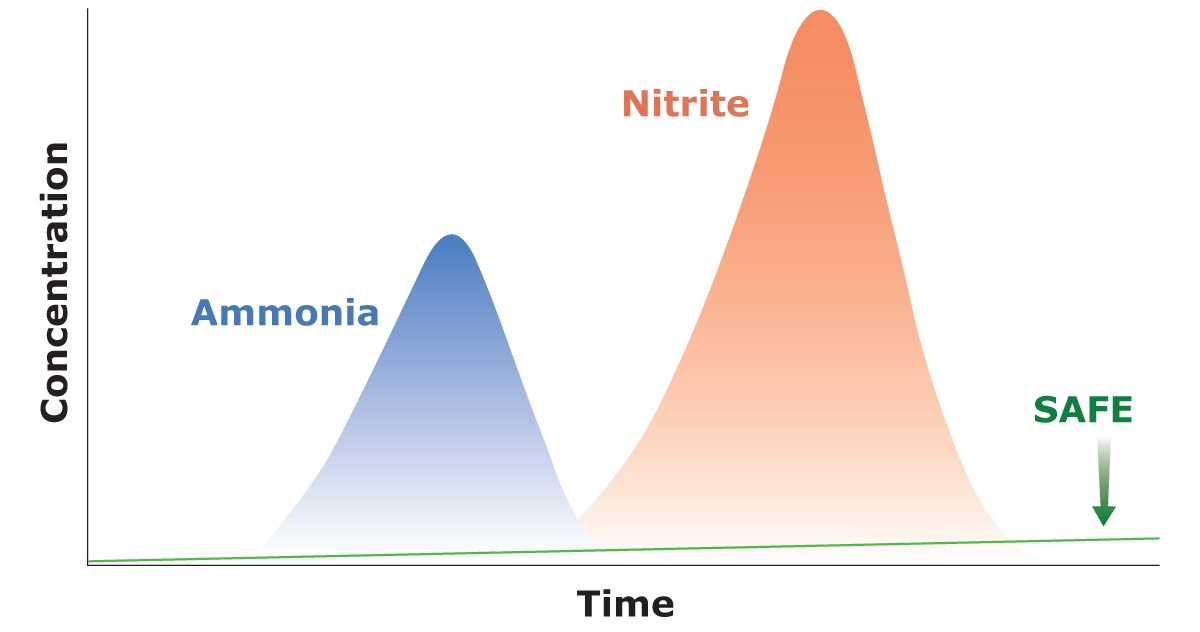
Two species of bacteria, Nitrosomonas and Nitrobacter, drive the nitrogen cycle. These organisms live on the surfaces of rocks, plants, gravel and sand and use waste from animals and plants as an energy source. Without these two vital organisms aquatic creatures would quickly pollute their environment and die. Although the exact nature of the conversions is not completely understood, Nitrosomonas and Nitrobacter appear to work in concert to break down ammonia to its by-product, nitrite, then nitrite to nitrate. Nitrate at low concentrations is fairly harmless.
As fish are introduced into a new tank, they immediately begin to release waste into the water in the form of excreta and body secretions, both of which contain ammonia. Ammonia, in even low concentrations, is very toxic to fish, damaging the gills and inhibiting the flow of oxygen to the fish’s tissues. In a new tank, populations of Nitrosomonas and Nitrobacter have not had time to reach sufficient numbers to completely eliminate high concentrations of ammonia and nitrite.
Nitrosomonas and Nitrobacter grow slowly at first, then have a rapid growth and reproduction phase and eventually level off to numbers needed in the tank to handle the waste of many fish. The numbers of bacteria will eventually be balanced against the amount of waste produced by a given population of fish. Introducing new fish, an outbreak of disease, or an interruption in filtration can disrupt this balance and the bacterial populations will play ‘catch up’ until the balance is restored.
Since the nitrogen cycle begins slowly, fish should be added to the tank or pond slowly. A new system overwhelmed with fish is also overwhelmed with ammonia. Deaths occur when too many fish are producing too much waste and the beneficial bacteria have not reached sufficient levels to handle the load. Select a few hardy, inexpensive fish at first, be patient, feed very carefully and let the nitrogen cycle get the tank ready for the nicer, more expensive fish.
Adding Bacteria Cultures
Many commercial bacterial preparations are available to ‘jump start’ the cycle. Cultures introduce huge populations of Nitrosomonas and Nitrobacter and other cleansing agents to eliminate pollutants and enhance the conversion of ammonia. Some preparations are specifically for freshwater, others are specific to saltwater systems. Adding cultures to a new system and each time new fish are introduced, or at the first sign of problems ensures adequate numbers of bacteria to help keep the system free of ammonia and nitrite.
Activate Saltwater is a superior product for this process.

Filter, filter, filter . . .
Filtration can determine the success or failure of an aquatic system and is an important factor in understanding the nitrogen cycle. Poor filtration leads to stress, disease and fish loss, see Saltwater Solution 15. Good filtration provides abundant surface area to support populations of bacteria and moves enough water to completely recirculate the entire volume of the tank or pond every 3-6 hours. The bacteria that break down harmful ammonia and nitrite live on substrate, or surfaces – gravel, rocks, plants, soil, even the fish themselves. Quality filters are designed to incorporate large amounts of ‘media’, or surface, that is folded or compacted into a small space. Media significantly increase surface material to support greater numbers of beneficial bacteria. Nitrosomonas and Nitrobacter require oxygen to break down wastes. Adequate water movement, which physically breaks the surface of the tank, delivers vital oxygen to these bacteria living on the surfaces below the water. Adequately filtered water that passes over the fishs’ gills is ammonia-free and the system is teeming with healthy life.
Choosing a Good Filter
All filters are not created equal. Good filtration provides abundant surface area to support populations of bacteria and a pump that moves enough water to completely recirculate the entire volume of the tank or pond every 3-6 hours. Price is always a factor so careful consideration should be given to the health of the tank or pond over its entire life and potential losses in fish and other animals. The old adage, an ounce of prevention . . . cannot be stressed enough. A still or inadequately filtered tank or pond is awaiting disaster. Choosing the right filtration system requires good information and good advice. Start at the ‘top-of-the-line’ and work down to the best system you can afford carefully weighing features against price.
See Solution 10 for our filter recommendations.
Water Tests
The nitrogen cycle does not begin until fish are introduced to the system. With no food source, Nitrosomonas and Nitrobacter cannot grow and reproduce. Once fish are added, begin testing the water after a week or two. Testing tracks the conversion of ammonia and nitrite as the bacteria perform their duties and can identify filtration problems even early in the game. Water that reads ammonia and/or nitrite longer than expected in a new system or consistently reads low levels over time is an indication of inadequate filtration.
Test or have your water tested frequently in the beginning by trustworthy salespeople and listen to their advice. When water tests read 0 ammonia and nitrite, the nitrogen cycle is established and the system is stable enough to accept a few new fish. As the system ages, perform regular maintenance (Saltwater Solution 13) and continue to test the water at regular intervals to gauge the status and to identify potential problems. Again, patience and diligence at each stage are virtues that pay off again and again.
9. Saltwater Aquarium Maintenance
Monthly Maintenance
Long-term success of your tank depends on regular maintenance. Regular maintenance, at least on a monthly basis, removes accumulated organic material, nitrate, sludge and fish waste, all of which can cause water chemistry problems, excess algae growth, fish stress, disease and fish death. Saltwater aquarium maintenance includes water changes and gravel cleaning as the first lines of defense against these problems.
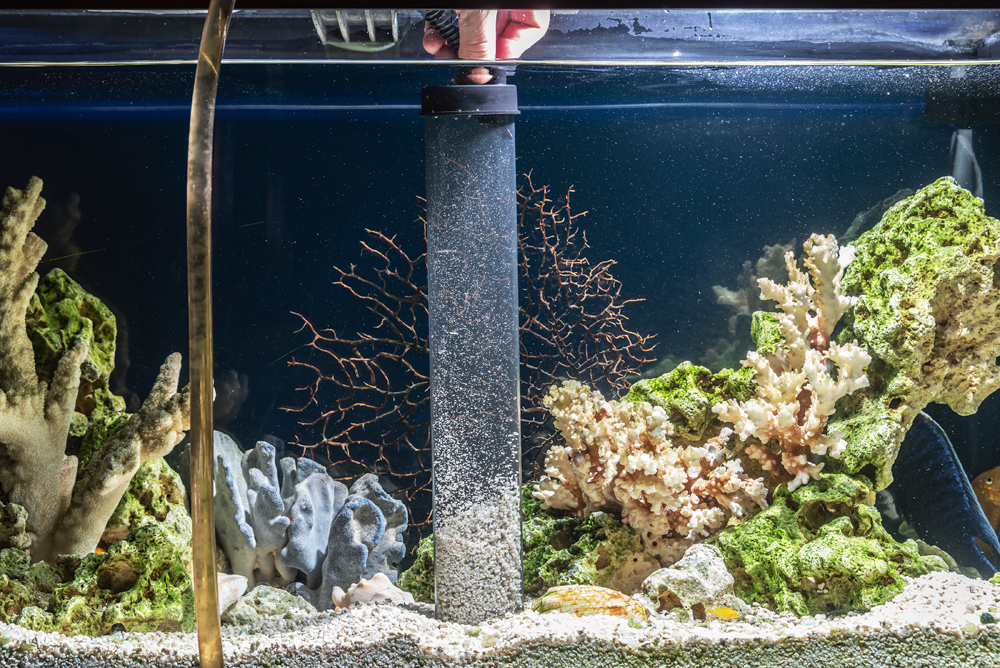
Partial Water Changes
Water changes of 10-25% of the tank volume are mandatory to maintain proper water chemistry. More frequent 10% water changes every two weeks are often even more effective, especially if the tank has had problems.
Step by Step
1) Unplug heaters, pumps, air pumps and any filters.
2) Remove ornaments that need cleaning leaving some as hiding places for the fish.
3) See Saltwater Solution 14 for cleaning corals and other decorations.
4) Clean the Gravel
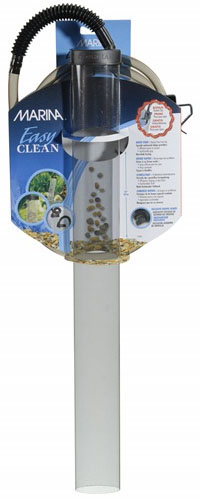
Use a gravel cleaner to siphon 25% of the tank water. The gravel cleaner should be pushed down into the gravel, agitating and removing any debris. Clean the gravel in this manner throughout the aquarium and siphon any obvious debris on the gravel surface. Crimp the gravel cleaner hose to slow down the water flow and release the gravel that accumulates in the tube. Keep gravel out of the hose. This may not be possible in tanks with sand substrate. Stir the sand instead as dirty water is siphoned away.
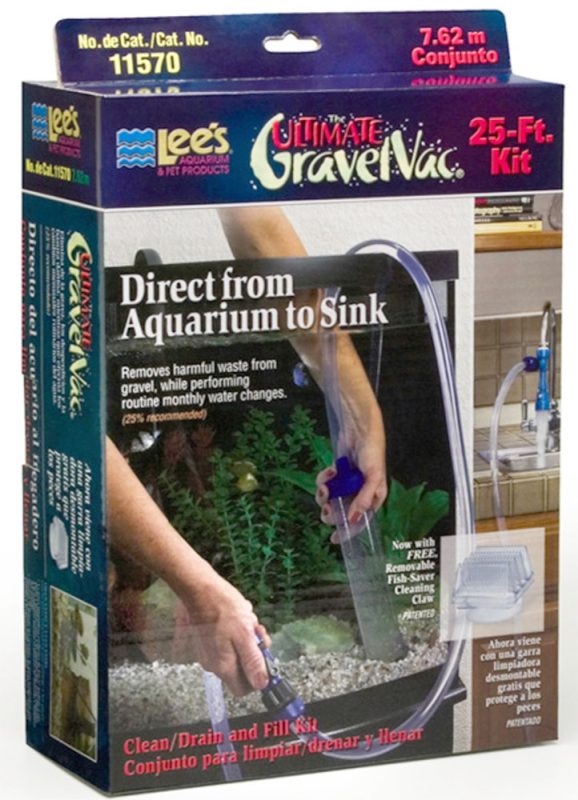
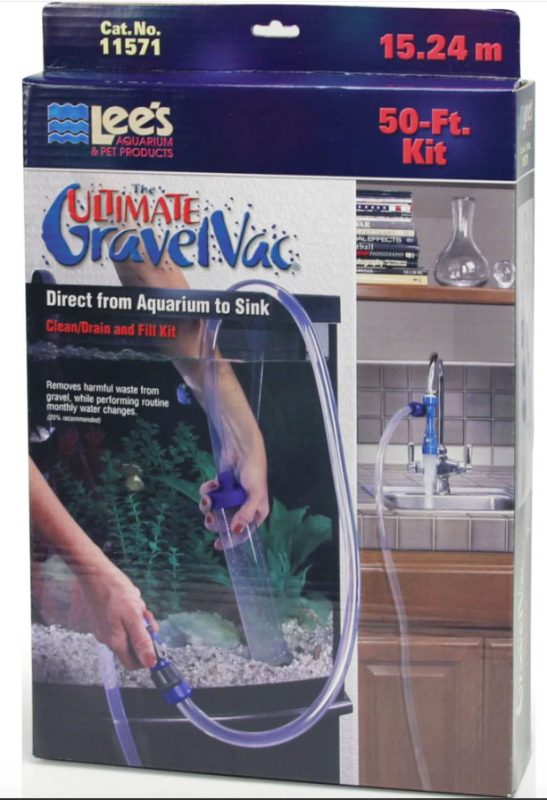
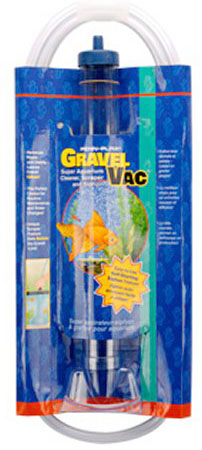
Some gravel cleaners, such as the Penn Plax Gravel Vac, have a built-in regulator to adjust the flow. Water can be drained directly into a sink with a Python or Lee gravel cleaner. Hagen gravel cleaners work well in deeper aquariums. Remember, only use buckets saved specifically for your aquarium. White buckets are great for small and medium aquariums. For large tanks, Rubbermaid Roughneck trash cans are great for moving new water to the tank or for storing reverse osmosis water.
TIP!
Rubbermaid buckets are available in sizes from 10-44 gallons and a rolling dolly is available for moving buckets to the tank. Dirty water can be pumped quickly to the drain and new water can be pumped from the bucket to the tank with a 500gph or larger submersible pump. The Sicce Utility Pump is a perfect pump for water changes.
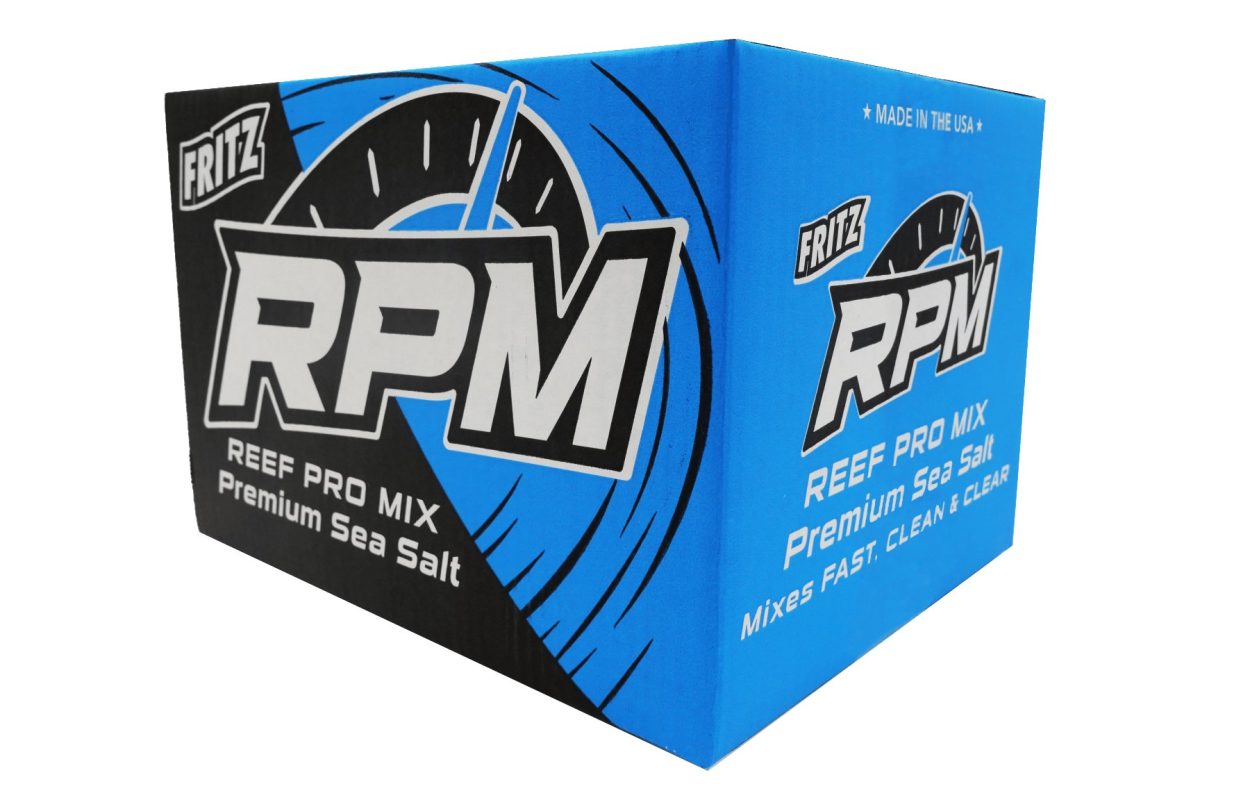
5) Replacement water for your saltwater tank must be dechlorinated and mixed prior to refilling the tank. Use RPM Reef Pro Mix Complete Sea Salt
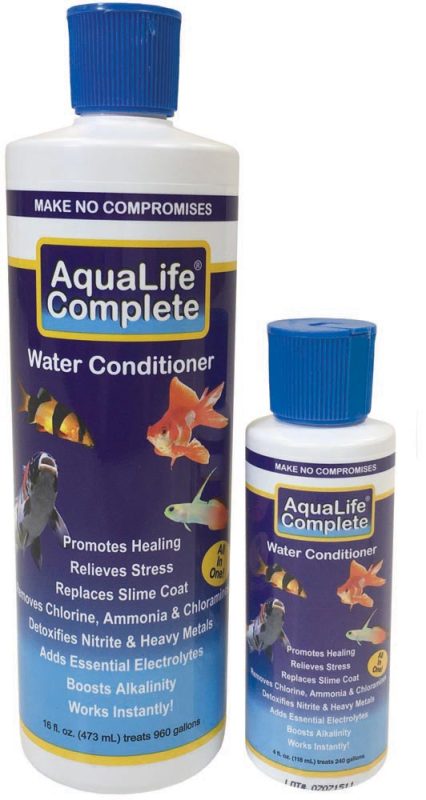
6) Add a high quality water dechlorinator/conditioner to the aquarium as soon as the tank is filled. aquaLife Complete is an excellent chlorine neutralizer.
7) aquaLife Pro Condition Concentrate Reef should be added to condition new water for aquariums, reef tanks, and holding tanks, when performing water changes and/or additions, and before adding new fish, corals or invertebrates, to an existing aquarium.
8) Add Activate Saltwater to help fight algae and keep gravel clean.
9) Restart filters, powerheads, heaters, and air pumps.
10) Algae covered coral can be cleaned by soaking in a solution of bleach at a ratio of 1 cup of bleach to 5 gallons of water. After the decorations are bleached to the desired color, pour out the bleach water and rinse the decorations. Soak the items in fresh water and use a quadruple dose of dechlorinator. The decorations should be soaked until all smell of bleach is gone or until the rinse water is free of chlorine.
See Bleaching Synthetic Coral and Decorations Safely for step-by-step instructions.
9. Bleaching (Cleaning) Synthetic Coral and Decorations Safely
Method 1
1. Remove coral pieces from the aquarium. Check to ensure that no fish are hiding in the coral.
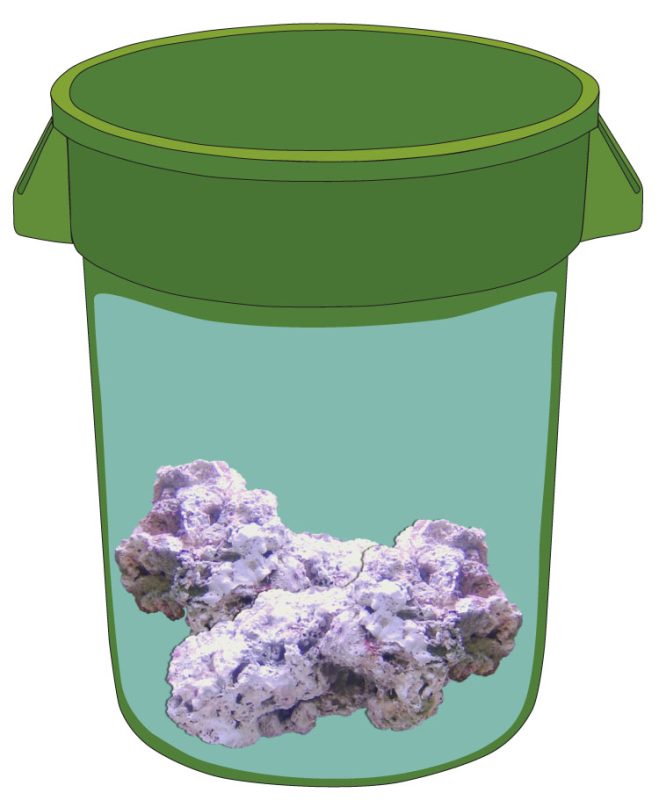
2. Place coral in a plastic container filled with tap water to cover pieces completely. Turn coral repeatedly to release any trapped air bubbles.
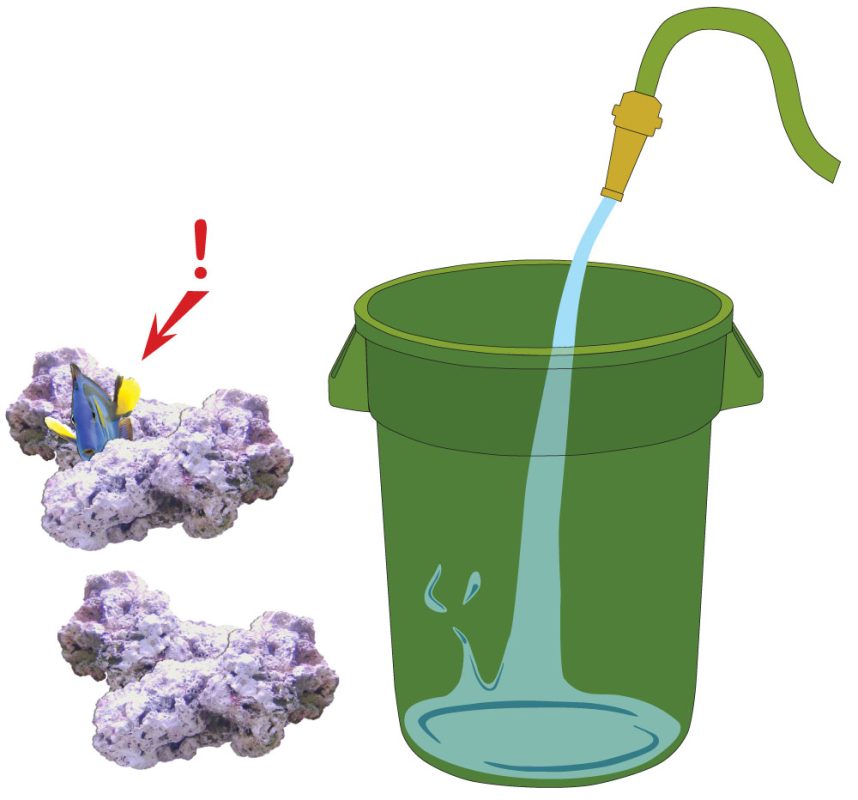
3. Add one part chlorine bleach (non-fragrance type) to five parts water. Let coral soak until clean (1-2 hours). If coral is still dirty, add more bleach to strengthen the solution.
4. Remove coral from bleach solution, discard water. Rinse coral thoroughly under running tap water.
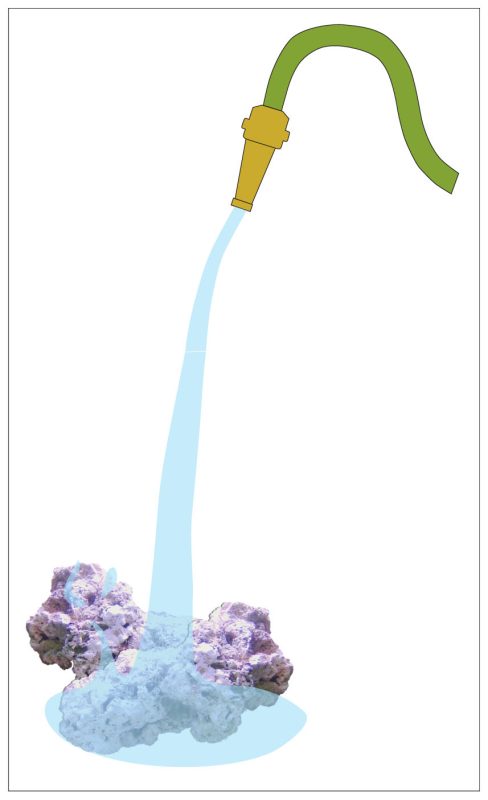
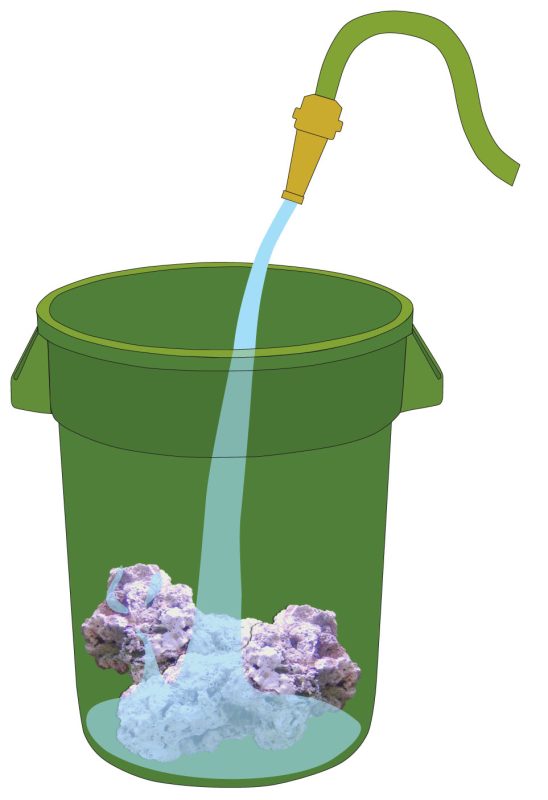
5. Repeat Step 2.
6. Add 1 capful or 5ml of AquaLife Dechlorit per 5 gallons of tap water to the coral container. Turn coral every 15 minutes for one hour to loosen trapped air and expose all surfaces to the dechlorinating solution.
7. Remove coral and let air dry for 3 to 4 hours before returning it to the aquarium.
Method 2
1. Follow steps 1-5 above.
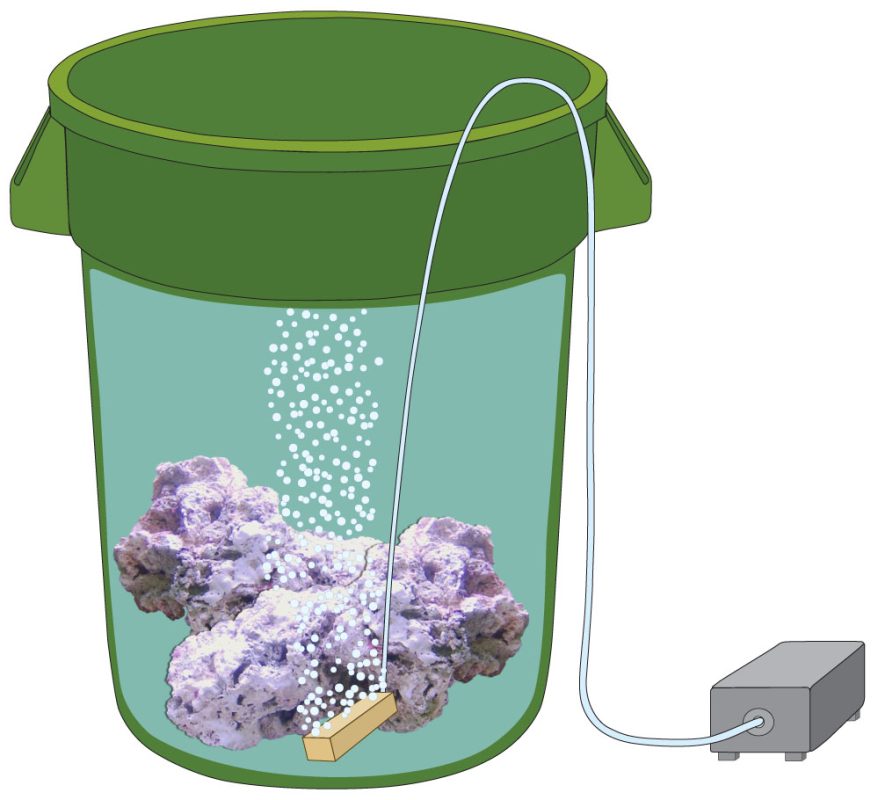
2. Add an airline with an airstone from an air pump to the bottom of the container.
3. Add 1 capful or 5ml of AquaLife Complete or AquaLife DeChlorit per 5 gallons of tap water to the coral container. Turn coral every 15 minutes for one hour to loosen trapped air and expose all surfaces to the dechlorinating solution. Use chlorine test kit to ensure complete neutralization of the bleach using Chlorine Test Kit.
4. Run the air pump until the water does not read on a Chlorine Test Kit. The coral is then ready to put back into the aquarium.