
6. Marine Fish Tank Ultimate Setup Guide “Fowlr” Fish only with live rock
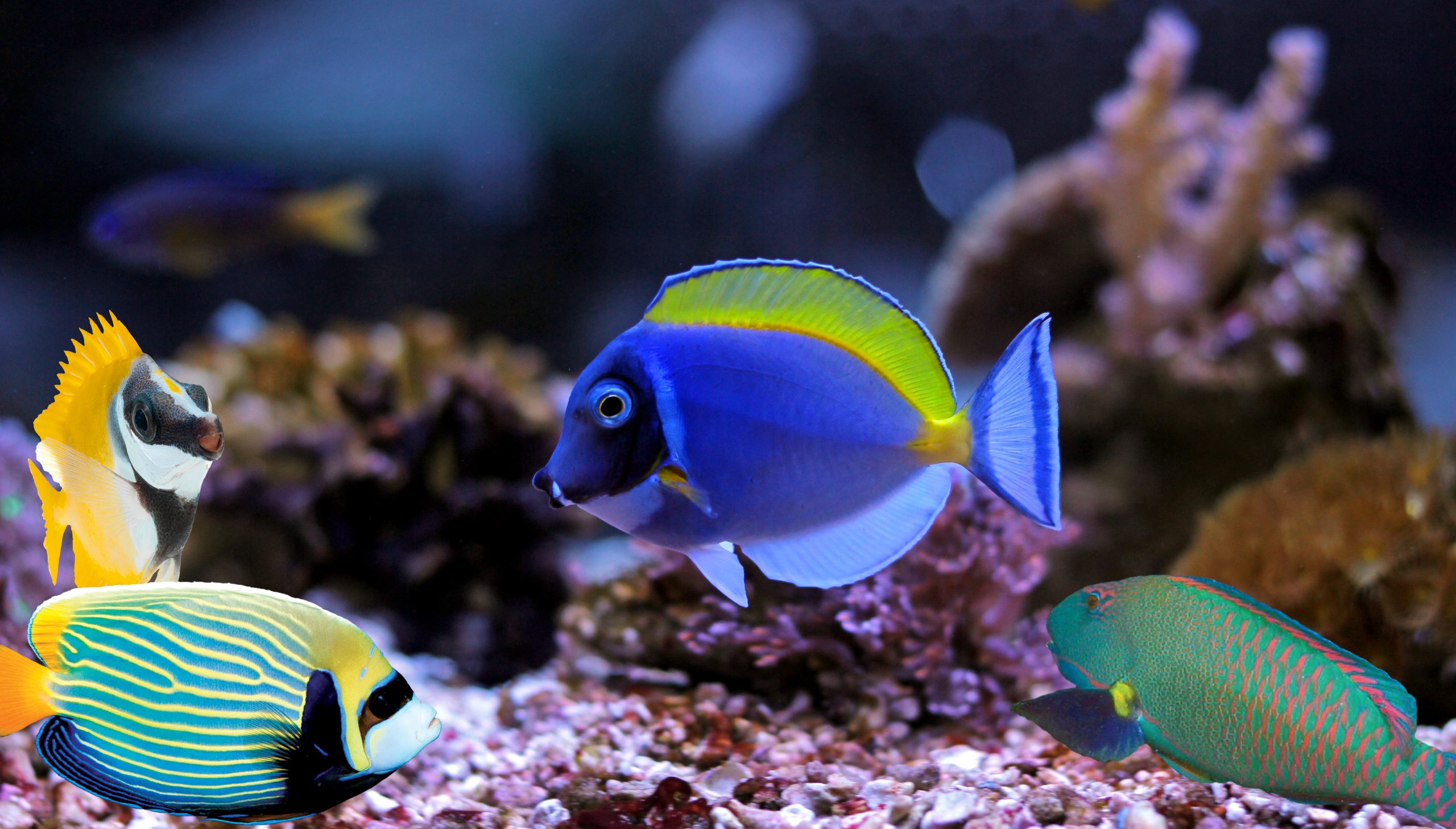
The following Ultimate Setup Guide and product selections will help you successfully create a “fish only” FOWLR (fish only with live rock) or fish and non-light-sensitive invertebrate aquarium. These guidelines and product selections are applicable to tanks from 29 gallons up to 75 gallons and recommend the best equipment for a successful outcome. When considering a saltwater aquarium, always remember the price of added filtration will easily pay for itself in fewer fish losses and less labor to keep the aquarium clean. In some cases, the recommendations include a second or third option. Since every aquarium is placed in a unique location and physical space limitations may be a factor, other viable choices appear for specific purposes where applicable. These type of aquariums are also suitable for invertebrates that do not have high light requirements as long as they are compatible with the fish chosen.
Hoods and Lights
Purchase an aquarium with a glass top or a rimless aquarium. Plastic hoods are not acceptable for saltwater setups. Plastic hoods limit the ability to add extra lighting and do not prevent “saltwater creep” from causing you extra cleaning time. Standard T8 fluorescent lighting fixtures are acceptable, but opt for higher quality LED fixtures. Hydra Aquatics, Rainbow Lifegard, UP Aqua and Hagen make nice LED fixtures that are good for this application. The lighting choice for a FOWLR or fish only aquarium is not as important as a reef aquarium. Making the fish colors and your aquarium “pop” is what is important.

Stand or Cabinet
Make sure the cabinet is properly constructed for handling up to 10lbs per gallon of water. If something other than an aquarium stand is used, it should be able to support the weight and hold the entire rim of the aquarium bottom level with no spaces between the aquarium and the support. Plywood or solid wood construction is preferred to press or chip board materials. They will last longer and not swell from the humidity from sumps or cleaning the aquarium.
Filtration and Flow
Sumps and Built-in Filtration (Best)
The best types of filtration for tanks of this type are sump-style or built-in type filters, such as those available on the Madeira 43 Gallon aquarium by Hydra Aquatics. Built-in back filters and sumps accommodate a large amount of aquaLife Biomatrix biological media, provide surface skimming, better aeration, as well as mechanical, sponge, and chemical filter capacity. Red Sea also makes all inclusive tanks in this range that include cabinets.
Sumps, such as those by Eshopps, expand the overall capacity of the system, accommodate even more aquaLife Biomatrix, refugiums, protein skimmers, and other forms of add-on filtration reactors.
Tanks must be drilled or have overflows built into them to use sump-style filters. Kits for drilling tanks are available. They are called “ghost overflows.” Prodigy is the best version Eshopps has and Eclipse is the “good” model. These overflows come with a drill bit and template to drill the holes along with the overflow assembly. Make sure the tank is not made from tempered glass. Tempered glass cannot be drilled. All of the Hydra Aquatics, Mr Aqua, and UP Aqua tanks can be drilled.
If drilling an aquarium is not for you or not possible, Eshopps has siphon boxes or overflow boxes that work with sumps that do not require drilling the aquarium. Drilled aquariums are preferred for the ultimate system.
Return Pump
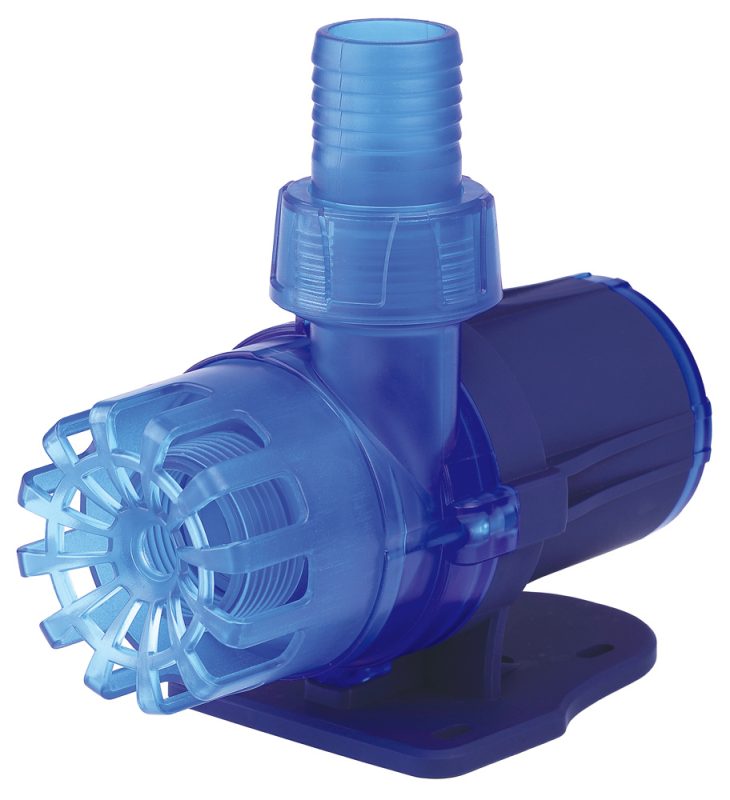
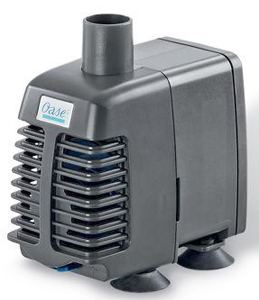
Remember, every sump needs a pump to return the water to the aquarium. Buy the best pump possible to ensure reliable operation. The Platinum Blue by ZK is the quietest pump for this application, while Sicce and Oase offer good alternatives, as well. Purchase one that is 5 times the tank size in flow rate. Use the pump along with powerheads, aka wave or stream pumps, and CaribSea Live Rock, which is seeded live rock with any pests. The rock becomes part of the biological filter and creates an active reef environment for the aquarium.
Protein Skimmers
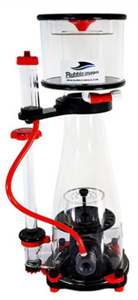
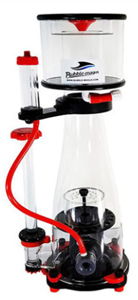
Protein skimmers should be included on an Ultimate Setup fish-only system. Protein skimmers add aeration and remove waste before it breaks down to increase nitrate loads and cause algae problems. A wide range of models is available, but the Elite Skimmers are the best considerations. The AquaVitro Division Skimmers offer high drain protein skimmers with adjustable components making them adaptable to many sump configurations. High drain skimmers are not affected by sump water height or evaporation. These are available by phone orders or in our facility only. The manufacturer does not allow on-line sales.
UV Sterilizers
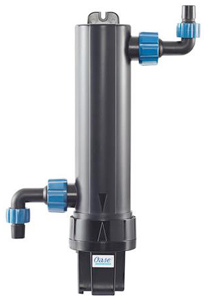
The second of the two options for the “ultimate system” is a Ultraviolet Sterilizer. These units kill unwanted bacteria and parasitic pathogens thus reducing the chances of disease outbreaks or spreads. UVs also help with water clarity and kill some types of algae. No store central filtration systems go without them and that speaks for itself. Like protein skimmers, UV’s can be added at any time. Oase Clear Tronic model is compact and well designed. The Lifegard UV Pro-Max is a true commercial level UV that is excellent as well.
Pellet Reactors and Media Reactors
Pellet Reactor
Biopellets have become a popular method of removing nitrates and phosphates from an aquarium. Made primarily of a biodegradable polymer that promotes (“feeds”) aerobic and anaerobic bacteria, biopellets are a viable method to consume undesirable nutrients (NO3 and PO4) within a reactor.
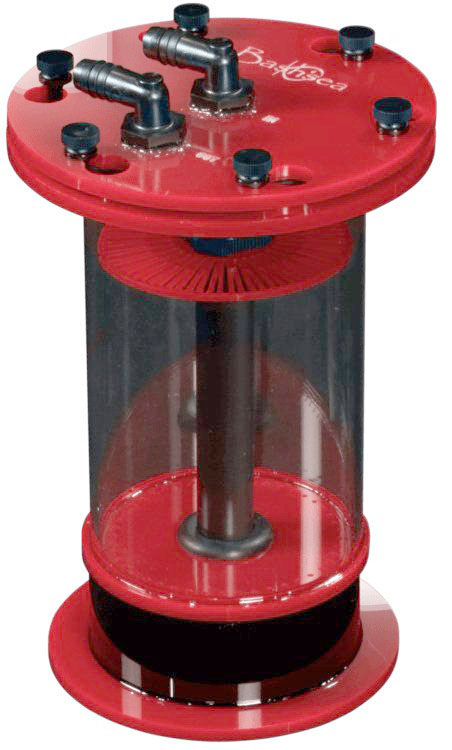
Pro Tip: Only use a pellet reactor if you are using a protein skimmer. Pellet reactors can cause bacteria blooms in heavily loaded systems but this is not an issue when used with UV sterilizers. Protein skimmers also help avoid these blooms. Bashsea makes the best reactors in the industry. Aquavitro M reactors are also great choices.

Media Reactors
Bashsea also makes media reactors that can be added to the sump. Large amounts of carbon and chemical media can be used in them. These reactors are very efficient because they do not allow any water to bi-pass the filter media. Media reactors are the best way to run carbon, phosphate removers and resin media.
Live Rock and Powerheads or Stream Pumps are part of the filtration
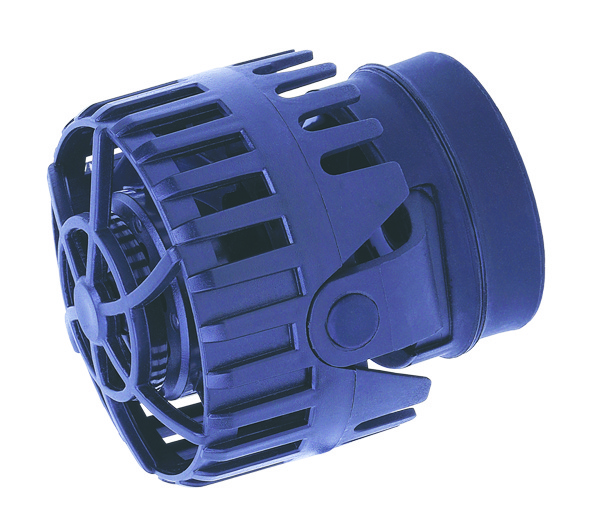
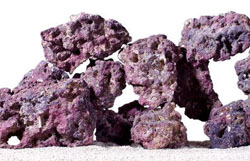
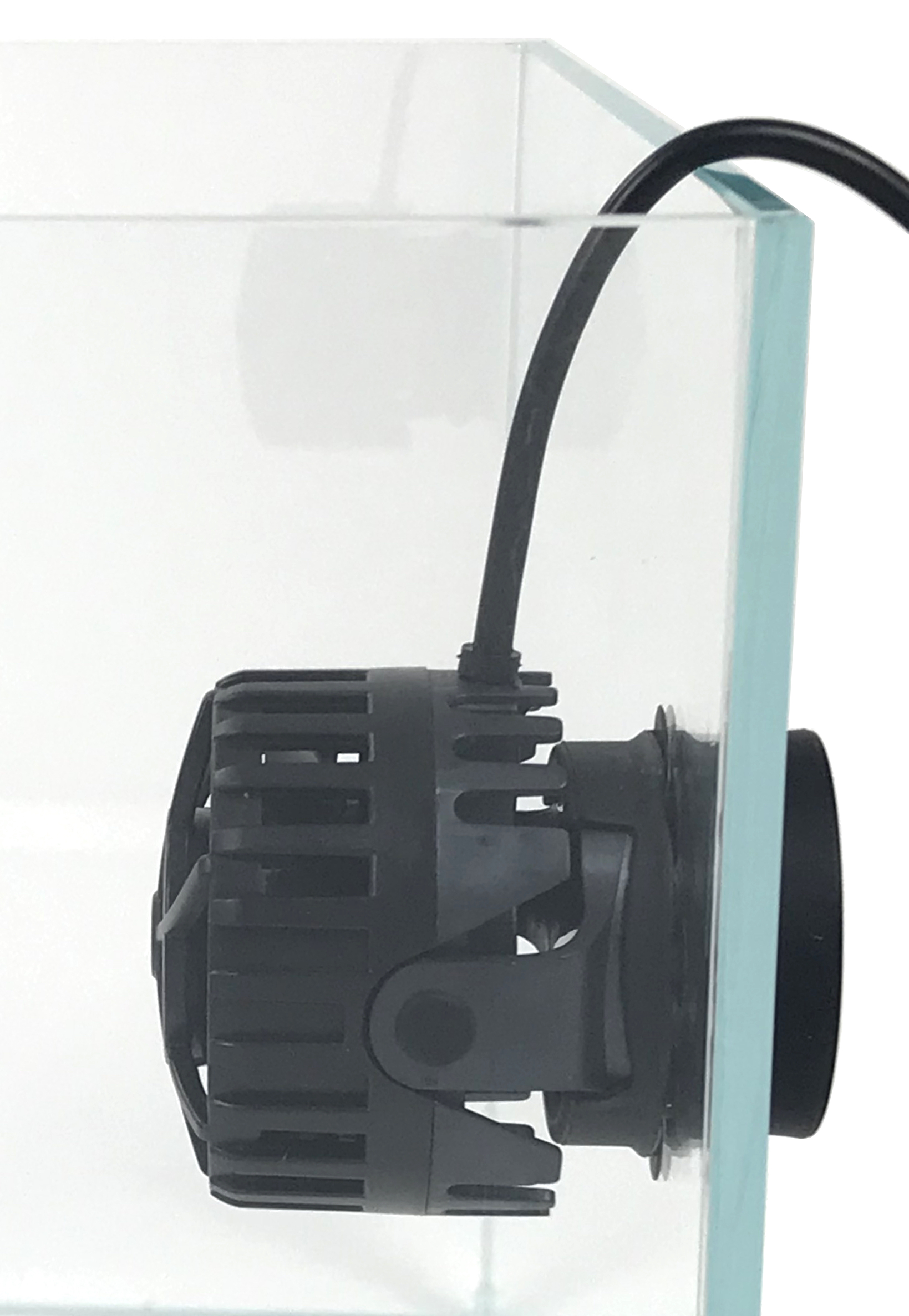
Use live rock along with powerheads, aka wave or stream pumps, and CaribSea Live Rock which is seeded live rock without any pests. The rock becomes part of the biological filter and creates an active reef environment for the aquarium. Powerheads, or stream pumps, create flow, gas exchange and current to keep debris from settling and bring oxygen to the pores of the live rock. Choose models from Oase, Sicce or the controllable ZK Platinum Slim Wave models are very nice.
Other Essentials
Refractometers
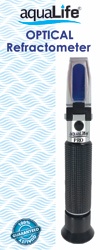
For saltwater enthusiasts with an interest in a more precise and sophisticated instrument to measure salinity, the AquaLife Refractometer with automatic temperature compensation is a consideration. Hydrometers are less expensive alternatives but are far less accurate and must be calibrated by a store with a refractometer.
• Heater
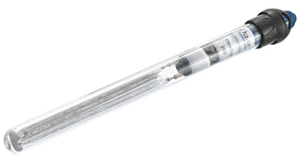
Oase Electronic Heater 100-200 Watt only use a high quality submersible heater. This is one of the best we have tested. The Fluval heater with digital read out is also very nice.
• Synthetic Sea Salt
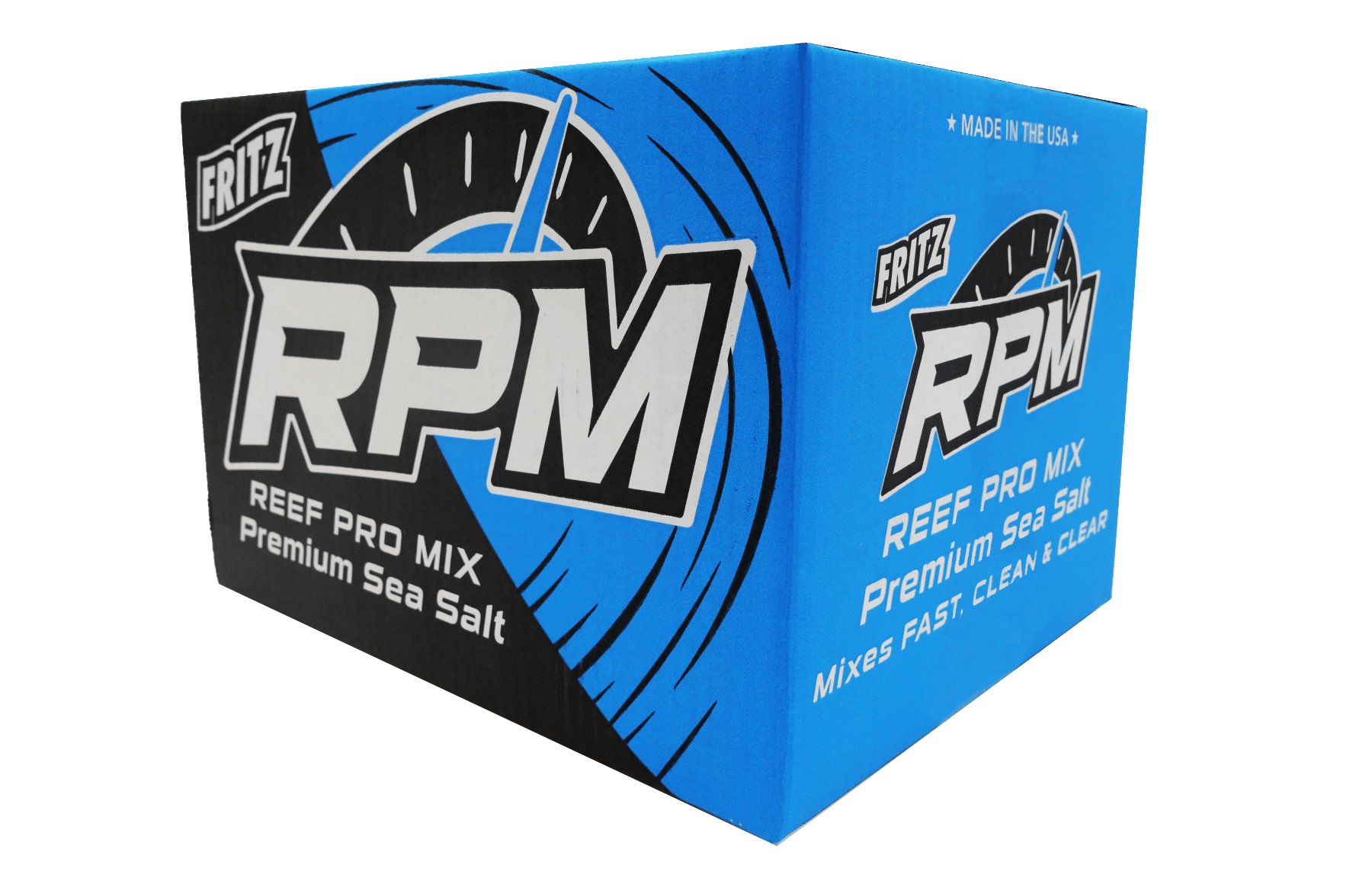
Fritz RPM or Aquavitro Salinity are highly concentrated blends of salt formulated for marine and reef aquariums that contain all essential major, minor, and trace components found in natural sea waters. Plus, RPM has the added advantage of enhanced magnesium levels. There formulations are ideal for the reef environment and provide accurate seawater concentrations of magnesium, calcium, and strontium with proper alkalinity and pH for closed reef aquarium systems. Water can be purchased from our local store pre-mixed with reverse osmosis water and Aquavitro Salinity. We also have 2.5 and 5 gallon containers and R/O freshwater available for purchase. These are the only two salts we use at this time with Aquavitro Salinity getting our top rating and RPM as a runner up. RPM is used by our maintenance crews when they need to mix salt quickly on location as it mixes quickly compared to other brands without sacrificing ingredients.

• Substrate
Choose a CaribSea product. Natural, calcium based substrates are best for saltwater aquariums. A good rule of thumb is 1lb of substrate per gallon of water.
See All Saltwater Substrates
• Dechlorinator or Water Conditioner
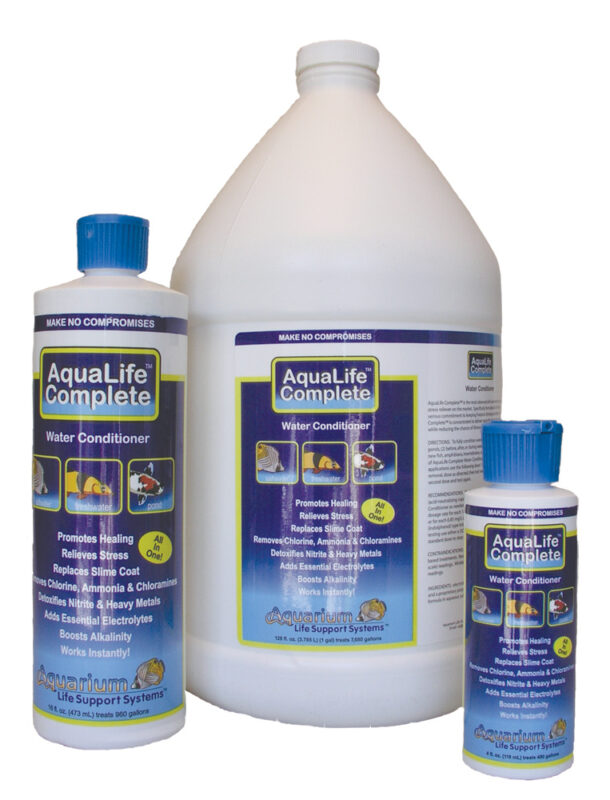
Always add a high quality dechlorinator or water conditioner anytime tap water is added to the tank. AquaLife Complete is an excellent product that not only dechlorinates but adds important elements to maintain slime coat integrity and reduce stress. In addition, AquaLife Complete also detoxifies chloramines and ammonia if they are present. This is the best and safest water conditioner on the market. We use hundreds of gallons a year in our facilities.

• Starting Bacteria Culture Cycling
Use aquaLife Activate Saltwater. Seeded biological media is available as well to speed up the cycling process at our local facility. aquaLife Biomatrix is an excellent media for this purpose. aqualife Activate should be used weekly after the cycling process to reduce waste and algae.
The tank can be cycled with hardy livestock or by the fish-less cycling with aquaLife Ammo. See the Video Here.
• Thermometer
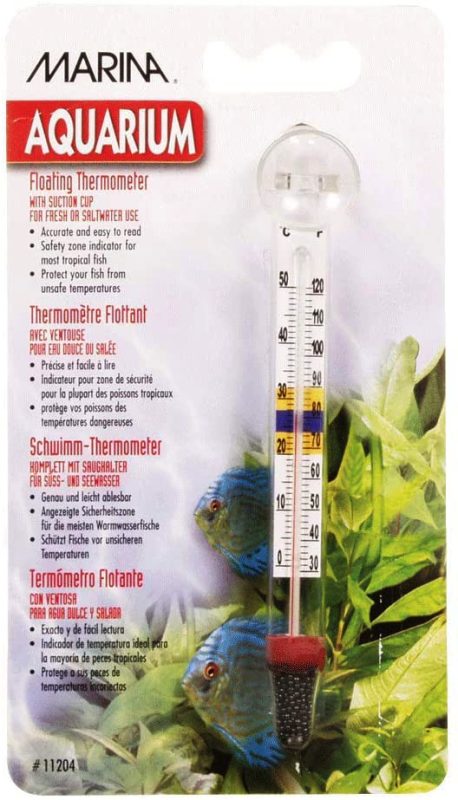
Hagen Thermometer, Floating You will need a thermometer to check water you are making with synthetic sea salt for water changes and to make sure the tank is at the correct temperature.
• Algae Scrubber and cleaning tools
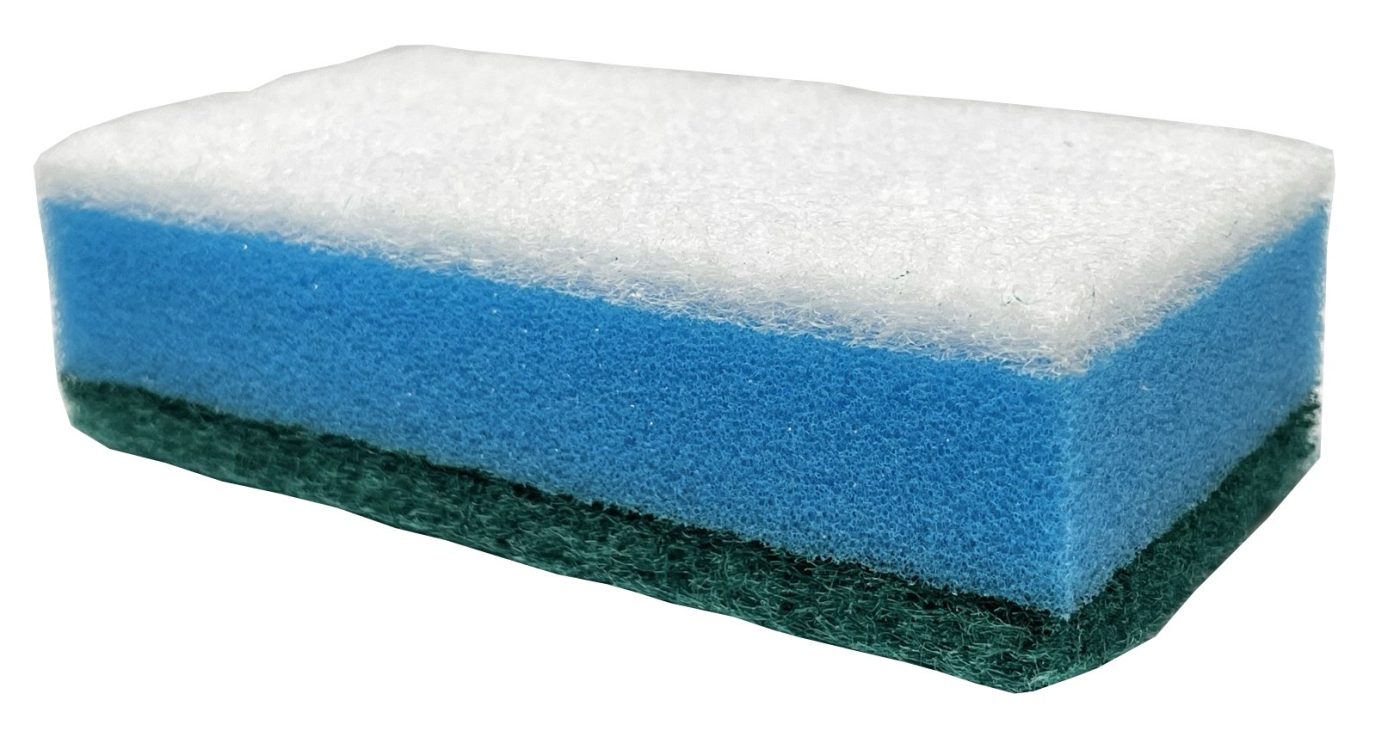
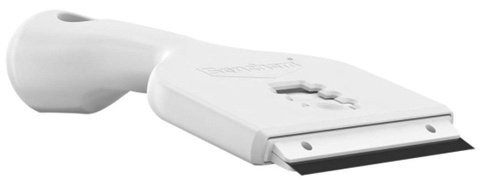
There are many cleaning pads on the market and we use some of all of what we sell. However, we use more of the aquaLife and Hydra Aquatics pads than anything followed by the Seachem 3 in 1 and the Continuum Cleaners.
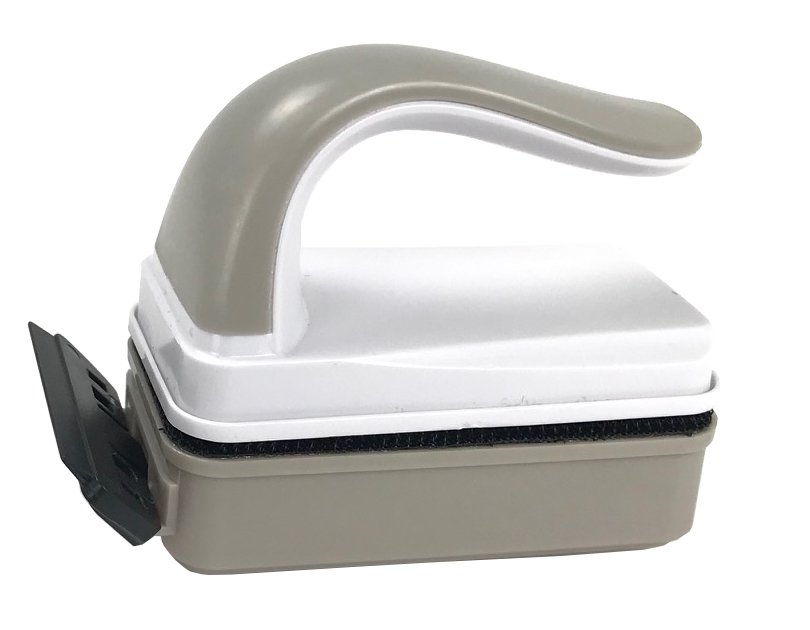
MagFloat 30 or UP Aqua Magnet Cleaners for glass are also great choices for quick cleaning without getting wet.



• Fish Net
Aquatop
Good Habits to Follow
• Water Testing
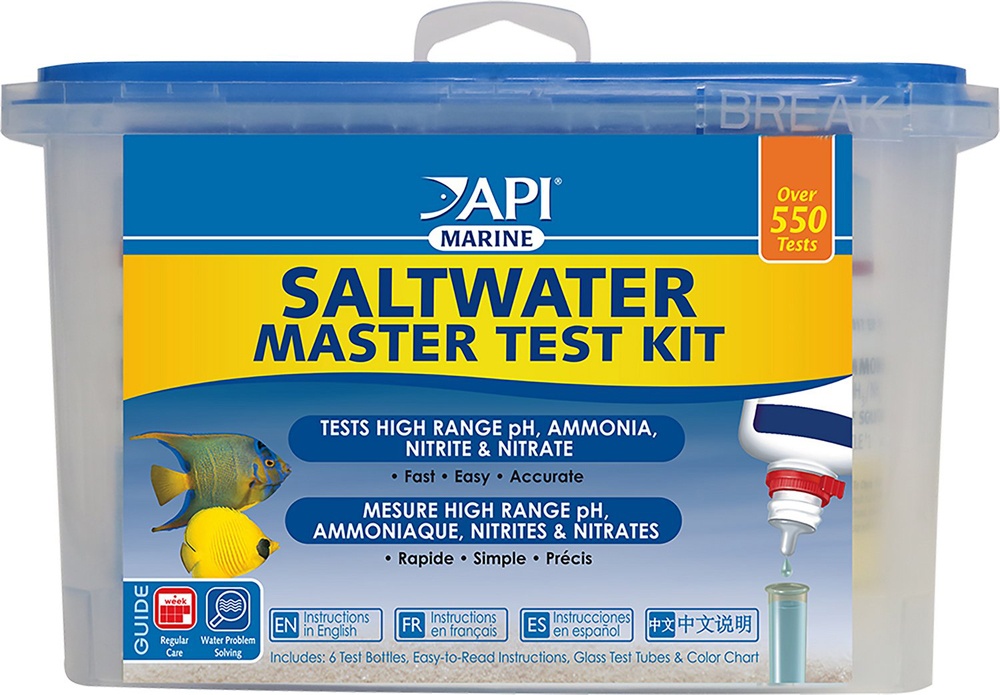
Never underestimate the importance of water testing. Fish trapped in water with even small amounts of ammonia and nitrite can die within hours. Water test on a regular basis and be prepared to act quickly is something goes wrong. A Saltwater Master Test Kit by API contains accurate testing supplies for pH, ammonia and nitrite. The Sera Kits are very accurate and easier to read. If you prefer digital precision use the Hanna Kits.
See All Test Kits
• Fish Food
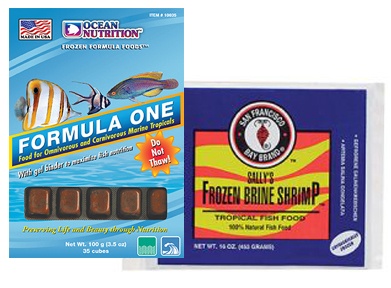
Nutrition is second only to filtration in importance. Saltwater fish should be fed 80% frozen foods since these foods most closely match their natural diet.
See All Frozen Foods
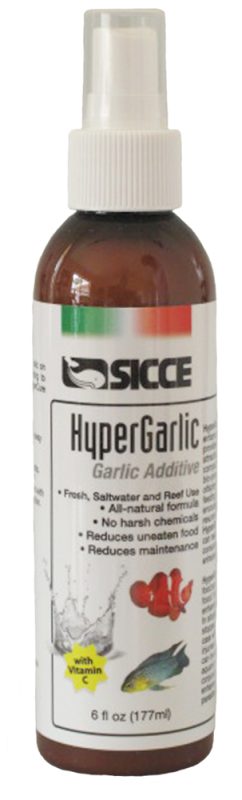
• Do not overfeed the fish. Feed fish only what they will eat in two to three minutes 1-2 times per day. Vary the diet. Different types of frozen foods from Ocean Nutrition and San Francisco Bay with Vita-Chem and HyperGarlic dripped on them combined with occasional feedings of aquaLife CSPro food will ensure the health, longevity and color of your fish. It is important to try and duplicate the foods eaten in the wild. Freeze dried krill, Mysis Shrimp and brine shrimp are also great supplement and delivery systems when soaked in Bio Pro Plus, Vita-Chem and or HyperGarlic.

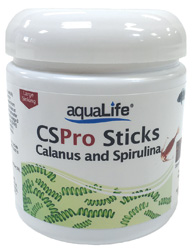
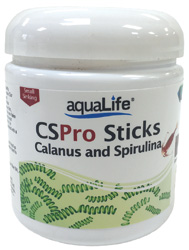
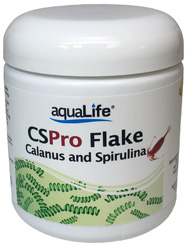
AquaLife CSPro Flake and Stick Foods
Formulated from the best ingredients, and fortified with vitamins and probiotics, CS PRO foods offer a rich source of omega-3 fatty acids [eicosapentaenoic acid (EPA) and docosahexaenoic acid (DHA)] together with astaxanthin, for healthy growth and maximum coloration. Plus, every batch is packed with a triple dose of immune-boosting vitamins.
• All-in-one formulation: complete nutrition, omega-3s, and vitamins
• Great for all fish, both freshwater and saltwater
• Rich in color-enhancing astaxanthin
• Scientifically formulated in line with the latest research
• Highly digestible, all-natural ingredients with NO preservatives
• Will not cloud water
Use quality chemical media to reduce organics and increase water quality
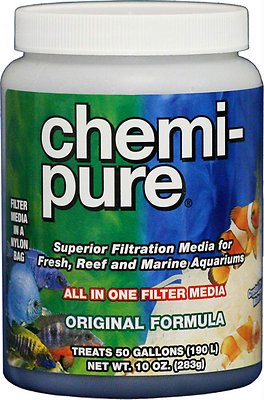
The filters shown above have room for placement of two revolutionary chemical media, Chemi-Pure and Poly Filters – both of these media should be used in a saltwater tank of this size to ensure success. Chemi-Pure Elite is excellent as well if algae is a problem or aquaLife Phosphate remover.
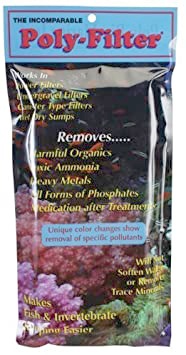
• Do a 25% water change monthly or a 10% water change twice a month. Remember to dechlorinate the water and adjust it to the same temperature as the aquarium water.
• The pH should be 8.2 High quality salt such as Fritz RPM has added buffers and with proper water changes, pH should be stable. Aquavitro Salinity is sold only at local authorized dealers, like our local store. However, if water changes are being done and pH is a problem, use Marine Buffer by SeaChem. Further information is available on water parameters in the Log Sheet section.
Further Reading:
9. Mixing Saltwater
11. Supplements & Additives
12. Understanding the Nitrogen Cycle
6. 29-75 Gallon Marine Fish (FOWLR) Tank Setup Guide Fish Only with Live Rock
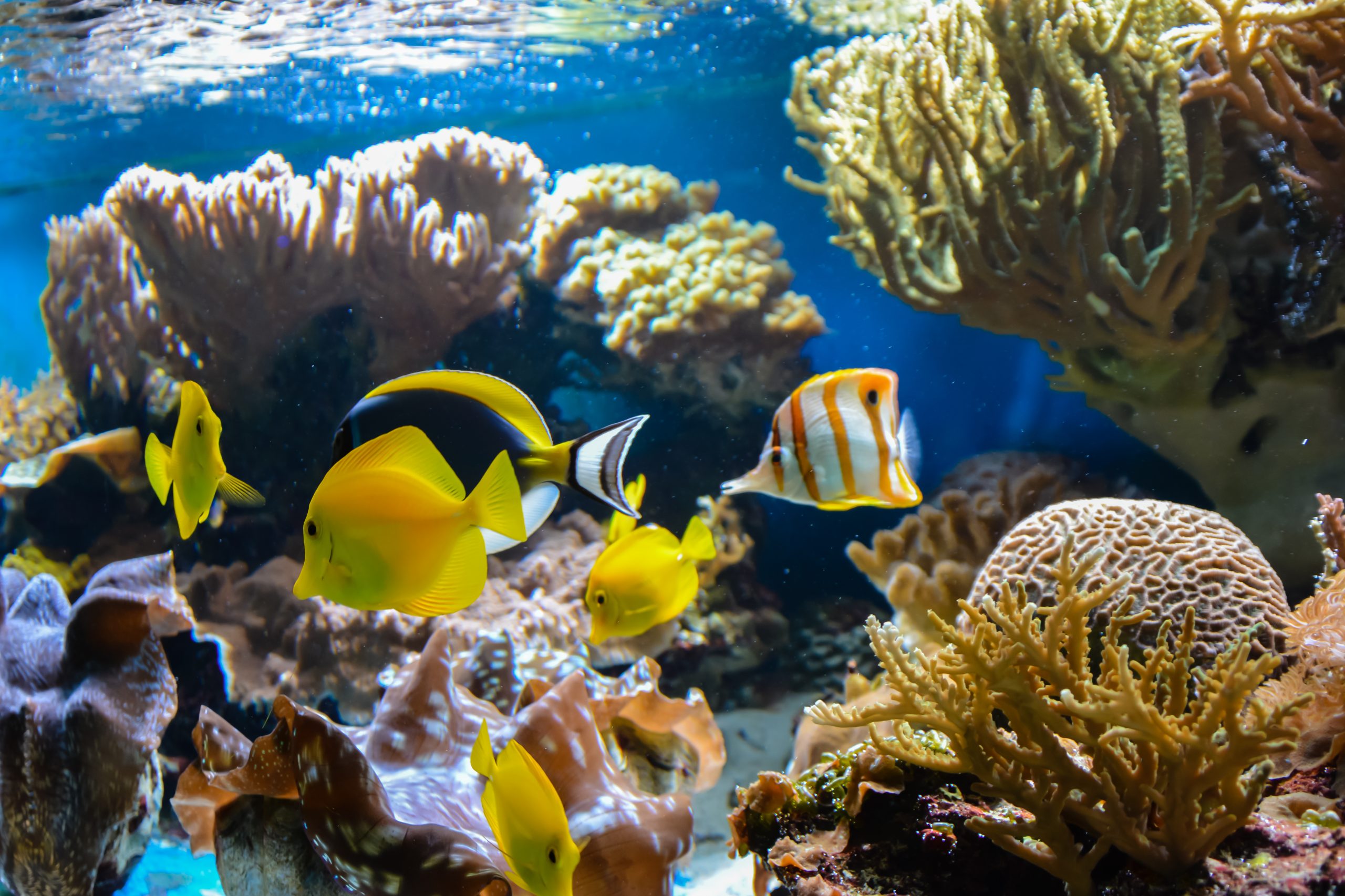
The following guidelines and product selections will help you successfully create a “fish only” FOWLR (fish only with live rock) or fish and non-light-sensitive invertebrate aquarium. The guidelines and product selections are applicable to tanks from 29 gallons up to 75 gallons. These type of aquariums are also suitable for invertebrates that do not have high light requirements as long as they are compatible with the fish chosen.
When considering a saltwater aquarium, always remember the price of added filtration will easily pay for itself in fewer fish losses and less labor to keep the aquarium clean. In some cases, the recommendations include a second or third option. Since every aquarium is placed in a unique location where physical space limitations may be a factor, other viable choices appear for specific purposes where applicable.
Hoods and Lights

Only purchase an aquarium with a glass top or a rimless aquarium. Plastic hoods are not acceptable for saltwater setups. Plastic hoods limit the ability to add extra lighting and do not prevent “saltwater creep” from causing a mess. Standard T8 fluorescent lighting fixtures are acceptable but opt for higher quality LED fixtures. Hydra Aquatics, Lifegard, UP Aqua and Hagen make nice LED fixtures that are good for this application. The lighting choice for a FOWLR or fish only aquarium is not as important as a reef aquarium. Making the fish colors and your aquarium “pop” is what is important.
Stands and Cabinets
Make sure the cabinet is properly constructed for handling up to 10lbs per gallon of water. If something other than an aquarium stand is used, it should be able to support the weight and hold the entire rim of the aquarium bottom level with no spaces between the aquarium and the support. Plywood or solid wood construction is preferred to press or chip board materials. They will last longer and not swell from the humidity if sumps or from cleaning the aquarium.
Filtration and Flow
Sumps and Built in Filtration (Best)
The best type of filtration for tanks of this type are sump-style or built in type filters, such as those available on the Madeira 43 Gallon aquarium by Hydra Aquatics. The built in back filters and sumps accommodate a large amount of aquaLife Biomatrix biologocal media, provide surface skimming, better aeration, mechanical, sponge, and chemical filter capacity. Red Sea also makes all inclusive tanks in this range that include cabinets.
Sumps, such as those by Eshopps, expand the overall capacity of the system, accommodate even more Biomatrix, refugiums, protein skimmers, and other forms of add-on filtration reactors. Tanks must be drilled or have overflows built into them to use sump-style filters.


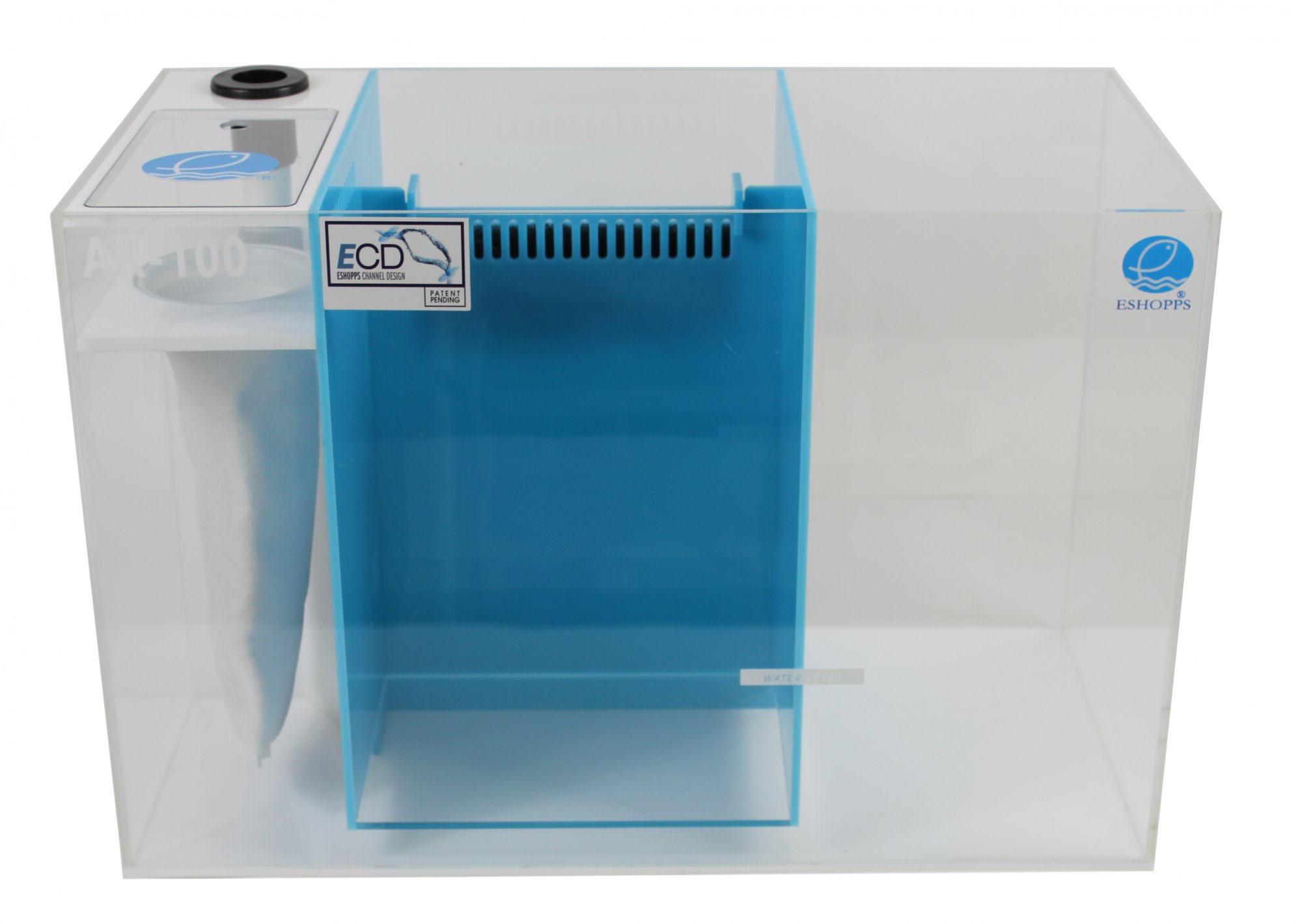

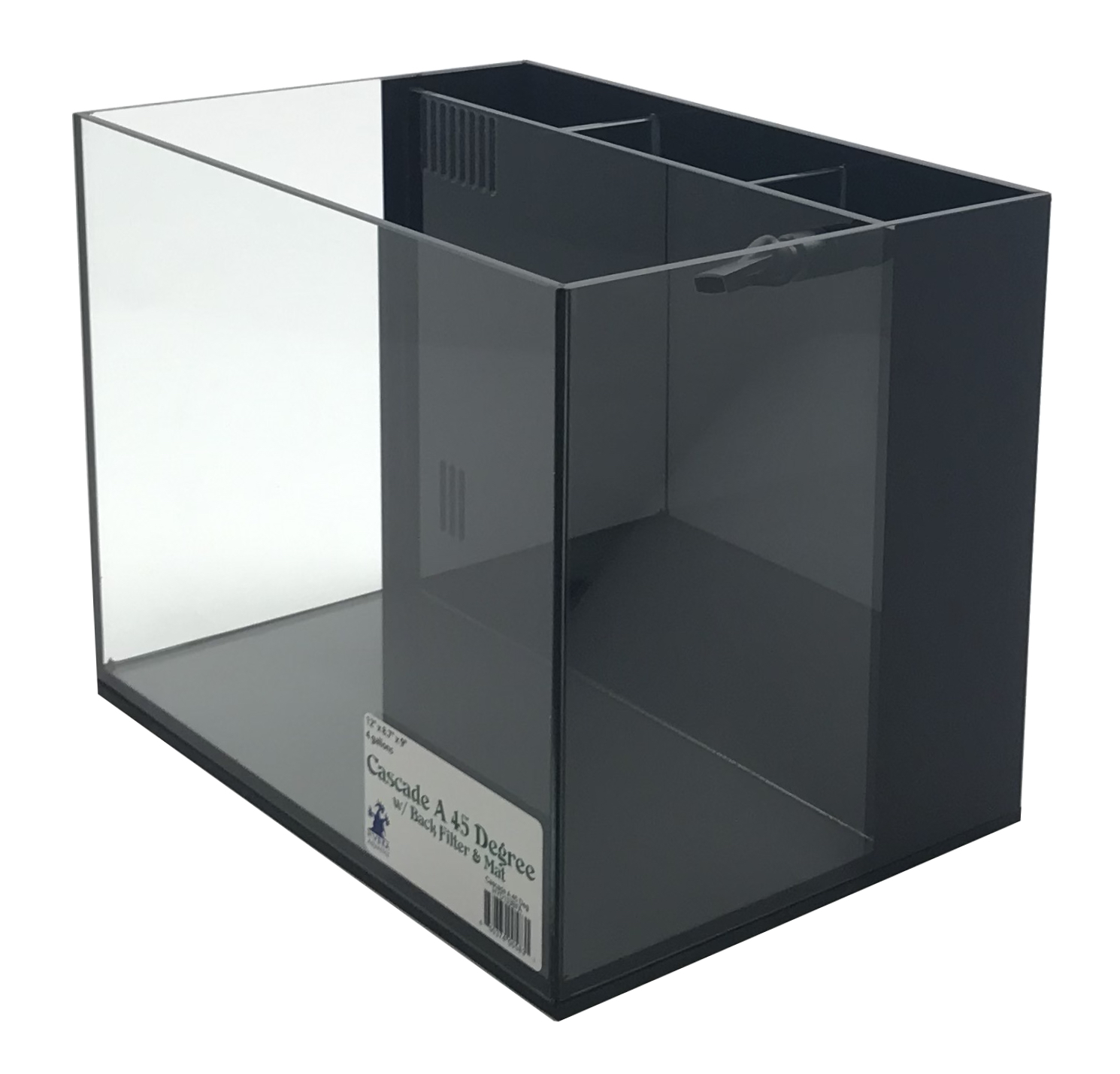

Kits for drilling tanks are available. They are called “ghost overflows.” Prodigy is the best version Eshopps has and Eclipse is the “good” model. They come with a drill bit and template to drill the holes along with the overflow assembly. Make sure the tank is not made from tempered glass. Tempered glass cannot be drilled. All of the Hydra Aquatics, Mr Aqua, and UP Aqua tanks can be drilled. If drilling an aquarium is not for you or not possible, Eshopps has siphon boxes or overflow boxes that work with sumps that do not require drilling the aquarium. Drilled aquariums are preferred for the ultimate system.
Return Pump
Remember, every sump needs a pump to return the water to the aquarium. Buy the best pump possible. This ensures reliable operation. The Platinum Blue by ZK is the quietest pump for this application, while Sicce and Oase offer good alternatives, as well. Purchase one that is 5 times the tank size in flow rate. Use the pump along with powerheads, aka wave or stream pumps and CaribSea Live Rock, which is seeded live rock with any pests. The rock becomes part of the biological filter and creates an active reef environment for the aquarium.


Canister Filter Option
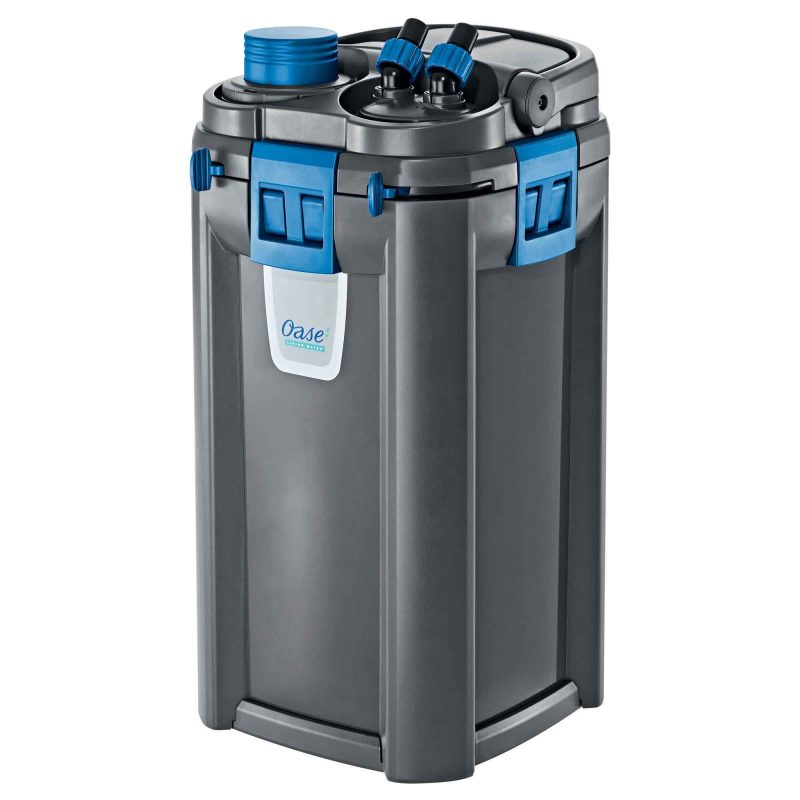
Canister filters are a good option for aquariums that must be as quiet as possible or when their is not room or budget for the better choices above. Do not follow the manufactures rating and purchase the largest canister filter possible. At a minimum use one size up from the recommendations. Sea All Canister filters
The OASE Biomaster 600 Canister Filter is ideal for any aquarium and features an easy start up system. With a large filtration volume this range guarantees crystal clear water with silent operation. be sure and pack this filter with aquaLife Biomatrix See this video on packing them.
Remember, additional circulation with power heads, also called stream pumps, or air pumps will be a must as canister filters offer lower flow rates and aeration than sump-style filters with surface skimmers.
Use them along with powerheads, aka wave or stream pumps and CaribSea Life Rock, which is seeded live rock with any pests. The rock becomes part of the biological filter and creates a reel reef environment for the aquarium. See all Oase Canister Filters.
Alternative Filtration
Alternative Filtration: HOB Hang On Back or Box Filters
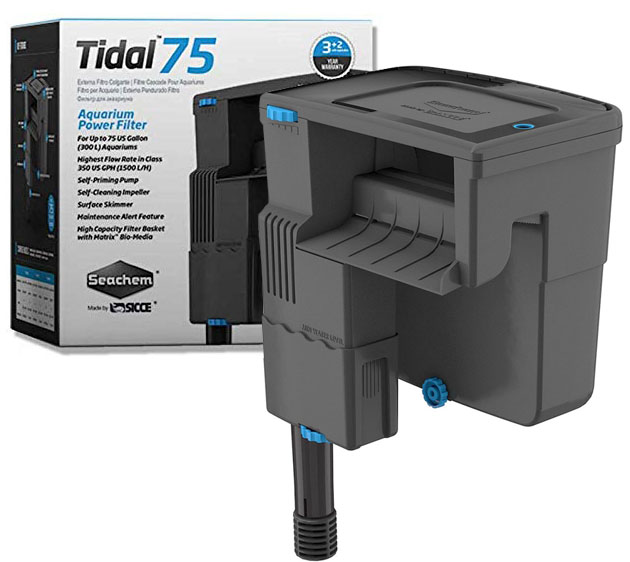
Because of space limitations often associated with smaller saltwater aquariums, a good alternative to a canister filter is a hanging box filter like the Sea Chem Tidal 55, Tidal 75, or Tidal 110. You will need to pack them differently adding Chemi-Pure, smaller aquaLife Biomatrix and cutting a Poly Filters to fit if you want it to work at its best.
Use along with powerheads, aka wave or stream pumps and CaribSea Life Rock which is seeded live rock without any pests. The rock becomes part of the biological filter and creates a reel reef environment for the aquarium. Do not follow the manufacturer ratings. Purchase as large a filter as possible. At a minimum, choose use one size up from the recommendations.
Additional Aeration
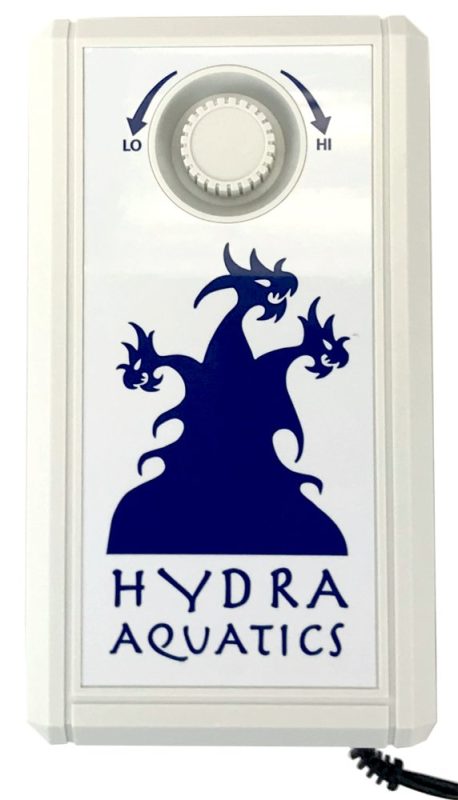
Aeration is critical in saltwater, especially when using a canister filter. With an airstone, the Silent Giant Air Pump is an excellent choice. This is not needed when using a protein skimmer, built in filter or sump. Additional flow with powerheads also know as stream pumps often is enough added aeration.
Note: air pumps work very well but must be used with tanks that are covered to reduce the spray in an open top rimless aquarium which will cause saltwater spray or saltwater creep.

Other Essentials
• Refractometer
For saltwater enthusiasts with an interest in a more precise and sophisticated instrument to measure salinity, the AquaLife Refractometer with automatic temperature compensation is a consideration. Hydrometers are less expensive alternatives but are far less accurate and must be calibrated by a store with a refractometer.
• Heater
Oase Electronic Heater 100-200 Watt only use a high quality submersible heater. Oase makes one of the best we have tested. The Fluval heater with digital read out is also very nice.
• Synthetic Sea Salt
Fritz RPM or Aquavitro Salinity are highly concentrated blends of salt formulated for marine and reef aquariums that contain all essential major, minor, and trace components found in natural sea waters. Plus, RPM has the added advantage of enhanced magnesium levels. These formulations are ideal for the reef environment and provide accurate seawater concentrations of magnesium, calcium, and strontium with proper alkalinity and pH for closed reef aquarium systems.
Water can be purchased from our local facility pre-mixed with reverse osmosis water and Aquavitro Salinity. We also have 2.5 and 5 gallon containers and R/O freshwater available for purchase.
These are the only two salts we use at this time with Aquavitro Salinity getting our top rating and RPM as a runner up. RPM is used by our maintenance crews when they need to mix salt quickly on location as it mixes quickly compared to other brands without sacrificing ingredients.
• Substrate
Choose a CaribSea product. Natural, calcium based substrates are best for saltwater aquariums. A good rule of thumb is 1lb of substrate per gallon of water.
See All Saltwater Substrates
• Dechlorinator or Water Conditioner Choose The Best
Always add a high quality dechlorinator or water conditioner anytime tap water is added to the tank. AquaLife Complete is an excellent product that not only dechlorinates but adds important elements to maintain slime coat integrity and reduce stress. AquaLife Complete also detoxifies chloramines and ammonia if they are present. This is the best and safest water conditioner on the market. We use hundreds of gallons a year in our facilities.
• Starting Bacteria Culture – Cycling The Aquarium
Use aquaLife Activate Saltwater. Seeded biological media is available as well to speed up the cycling process at our local facility. aquaLife Biomatrix is an excellent media for this purpose. aqualife activate should be used weekly after the cycling process to reduce waste and algae.
The tank can be cycled with hardy livestock or by the fish-less cycling with Ammo by aquaLife. See the Video Here.
• Thermometer
You will need a thermometer to check water you are making with synthetic sea salt for water changes and to make sure the tank is at the correct temperature. Hagen Thermometer, Floating
• Algae Scrubber and cleaning tools
There are many cleaning pads on the market and we use some of all of what we sell. However, we use more of the aquaLife and Hydra Aquatics pads than anything followed by the Seachem 3 in 1 Algae Scraper and the Continuum cleaners
MagFloat 30 or UP Aqua Magnet cleaners for glass are also great choices for quick cleaning without getting wet.
• Fish Net
At some point everyone will need a fish net to remove fish or debris from the aquarium. Aquatop makes a fish net that is a step up from many.
Aquatop
Good Habits to Follow
• Water Testing
Never underestimate the importance of water testing. Fish trapped in water with even small amounts of ammonia and nitrite can die within hours. Water test on a regular basis and be prepared to act quickly if something goes wrong. A Saltwater Master Test Kit by API contains accurate testing supplies for pH, ammonia, nitrate and nitrite. The Sera test kits are very accurate and easier to read and a step up. If you need digital precision use the Hanna Kits. They are the best available. Red Sea also makes good reef tests.
See All Test Kits
• Fish Food and Nutrition
Nutrition is second only to filtration in importance. Saltwater fish should be fed 80% frozen foods since these foods most closely match their natural diet. For a great article on nutrition see this one by John Tullock our Marine Biologist
See All Frozen Foods
• Do not overfeed the fish
Feed fish only what they will eat in two to three minutes 1-2 times per day. Vary the diet.
Different types of frozen foods from Ocean Nutrition and San Francisco Bay with Vita-Chem and HyperGarlic dripped on them combined with occasional feedings of aquaLife CSPro food will ensure the health, longevity and color of your fish. It is important to try and duplicate the foods eaten in the wild.
Freeze dried krill, Mysis Shrimp and brine shrimp are also great supplement and delivery systems when soaked in Bio Pro Plus, Vita-Chem and or HyperGarlic.
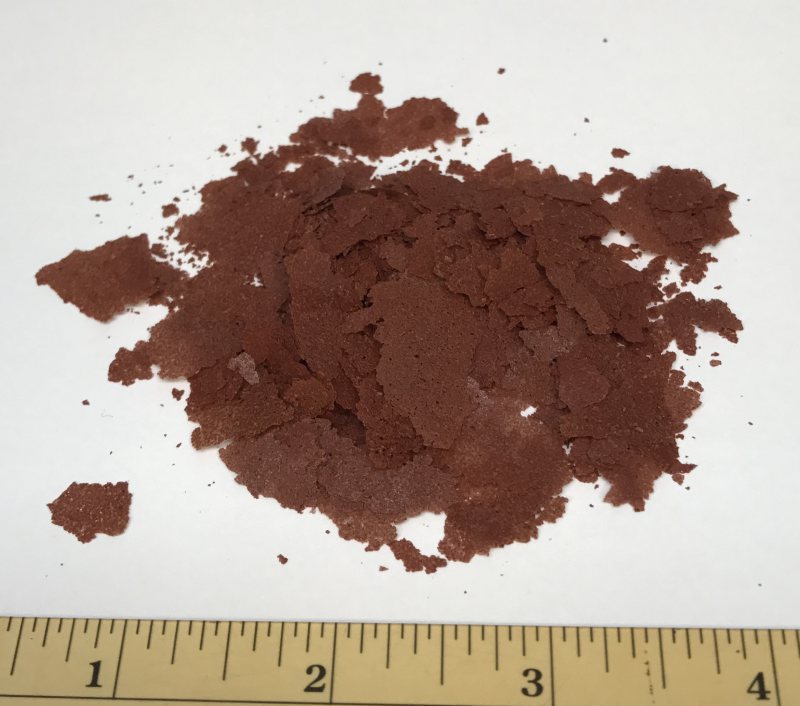
AquaLife CSPro Flake and Stick Foods
Formulated from the best ingredients, and fortified with vitamins and probiotics, CS PRO foods offer a rich source of omega-3 fatty acids [eicosapentaenoic acid (EPA) and docosahexaenoic acid (DHA)] together with astaxanthin, for healthy growth and maximum coloration. Plus, every batch is packed with a triple dose of immune-boosting vitamins.
• All-in-one formulation: complete nutrition, omega-3s, and vitamins
• Great for all fish, both freshwater and saltwater
• Rich in color-enhancing astaxanthin
• Scientifically formulated in line with the latest research
• Highly digestible, all-natural ingredients with NO preservatives
• Will not cloud water
Chemical Filtration Media
Use quality chemical media to reduce organics and increase water quality
All the filters recommended above have room for placement of chemical media, Chemi-Pure and Poly Filters – both of these media should be used in a saltwater tank of this size to ensure success. Chemi-Pure Elite is excellent as well if algae is a problem or aquaLife Phosphate remover. We have been using these products for years in thousands of aquariums with great results.
• Do a 25% water change monthly or a 10% water change twice a month. Remember to dechlorinate the water and adjust it to the same temperature as the aquarium water.
• The pH should be 8.2 High quality salt such as Fritz RPM has added buffers and with proper water changes, pH should be stable. Aquavitro Salinity is sold only at local authorized dealers, like our local store. However, if water changes are being done and pH is a problem, use Marine Buffer by SeaChem. Further information is available on water parameters section.
Further Reading:
2
9. Mixing Saltwater
11. Supplements & Additives
12. Understanding the Nitrogen Cycle
6. Mixing Saltwater for the Aquarium
Mixing saltwater for the aquarium and adjusting salinity are critical to the saltwater aquarium environment. There will be two occasions where you add salt mix to the aquarium – your new aquarium before you add fish and other livestock, and your established aquarium during monthly maintenance. Following the steps outlined below will ensure accurate results for both.
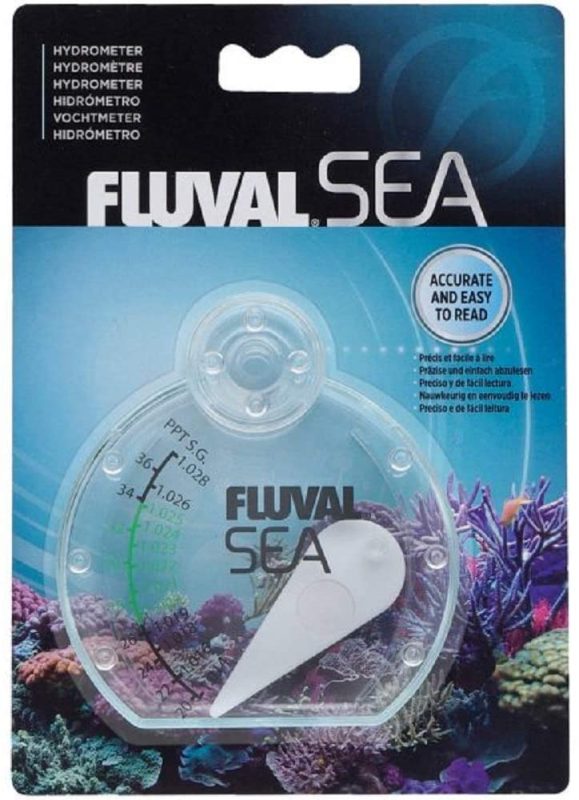
Specific gravity, or relative density, is a measure of the salinity of the aquarium water after adding salt, and is a critical measurement when mixing saltwater for the aquarium. Aquarium salinity is generally set to mimic the average salinity of sea water, between 1.020-1.022 for FOWLR Fish only aquariums or 1.025 for reef aquariums, and is measured with a hydrometer or a refractometer. Purchase a good, reliable hydrometer to measure the salinity of your water. If you decide to use a hydrometer, your local dealer may be able to calibrate your hydrometer against a refractometer for the most accurate readings at home. Refractometers are also available for home aquaria and are a must for any serious hobbyist. The professional quality aquaLife Refractomer is the best available and will provide years of accurate service.
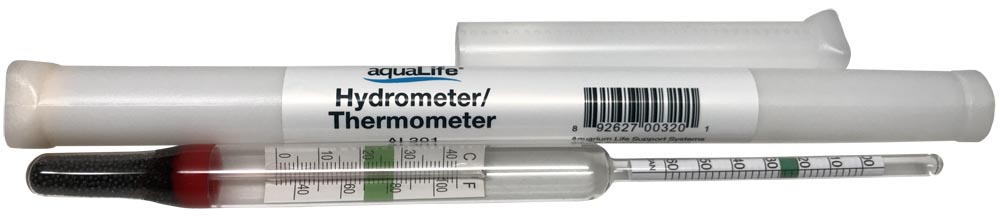
View All Hydrometers
View All Refractometers
View All Thermometers
Mixing in a new aquarium without livestock
A new system should be run with freshwater prior to adding salt. This test run allows time to check for leaks, locate equipment problems and avoid wasting salt.
After all system equipment is installed and running properly, decorations are in place, the tank has been filled with freshwater and dechlorinated, salt can be added slowly and mixed directly in the tank. When mixing saltwater for the aquarium, small amounts of salt are added at several intervals and allowed to mix thoroughly before checking salinity with a hydrometer.
Salinity can be checked while water is still cloudy, but there should be no undissolved salt at the bottom of the tank. Continue adding salt until the salinity measures 1.020 on the hydrometer. Once the proper salinity has been reached, allow the tank to totally clear and reach a constant temperature of 76-78°F. Allow 24 hours for settling and temperature compensation.
When the tank is clear and the temperature is correct, adjust the salinity to 1.022 (1.025 for reefs) by adding small amounts of salt. If the salinity measures above 1.022 or 1.025 for reefs at a temperature of 76-78°F small amounts of water will have to be removed from the tank and replaced with dechlorinated freshwater. When mixing saltwater for the aquarium, this may have to be repeated until the salinity is correct.
Once these goals are reached, it’s time to slowly add livestock or cycle fishes with Ammo! Purchase a few inexpensive fish in the beginning and acclimate them according to your store’s instructions. Closely monitor the ammonia level after adding the fish. You should expect that the ammonia will read on your test kit, but within a few days, you should see the level drop to zero as your filter system begins to neutralize the ammonia. Overfeeding is also a source of ammonia, so feed your fish sparingly during this period. This stage in the life of your aquarium is a good time to use aquaLife Activate Saltwater Aquarium Starter and Cleaner to help jump start your filter by seeding it with beneficial bacteria to help with eliminating ammonia. Seeded BioMatrix is available locally and is great when used with Activate. See the Cycling Solution for more details.
See All Test Kits
Water Changes with livestock
NEVER ADD SALT MIX DIRECTLY TO THE TANK!
Turn off the filtration equipment and remove 10-25% of the tank water by siphoning with a gravel cleaner. Keep track of the number of gallons of water removed by siphoning into measured buckets. Follow the procedure below to mix and replace the water removed from the tank during cleaning and siphoning.
1) Check the temperature of the water in the aquarium.
2) Add 5 gallons of water to a non-toxic container (one used only for the aquarium), at the same temperature as the aquarium.
3) Add RPM Reef Pro Mix Complete Sea Salt saltwater mixture to the container at approximately 2.5 cups per 5 gallons of water (about 1/2 cup per gallon of water.) Add dechlorinator and mix thoroughly. No crystals should be left undissolved. For larger aquariums use larger containers and take the proportions up. Water can also be purchased premixed and is available locally and professionally prepared with RO reverse osmosis water. We offer both RO fresh and saltwater in 2.5 and 5 gallon containers.
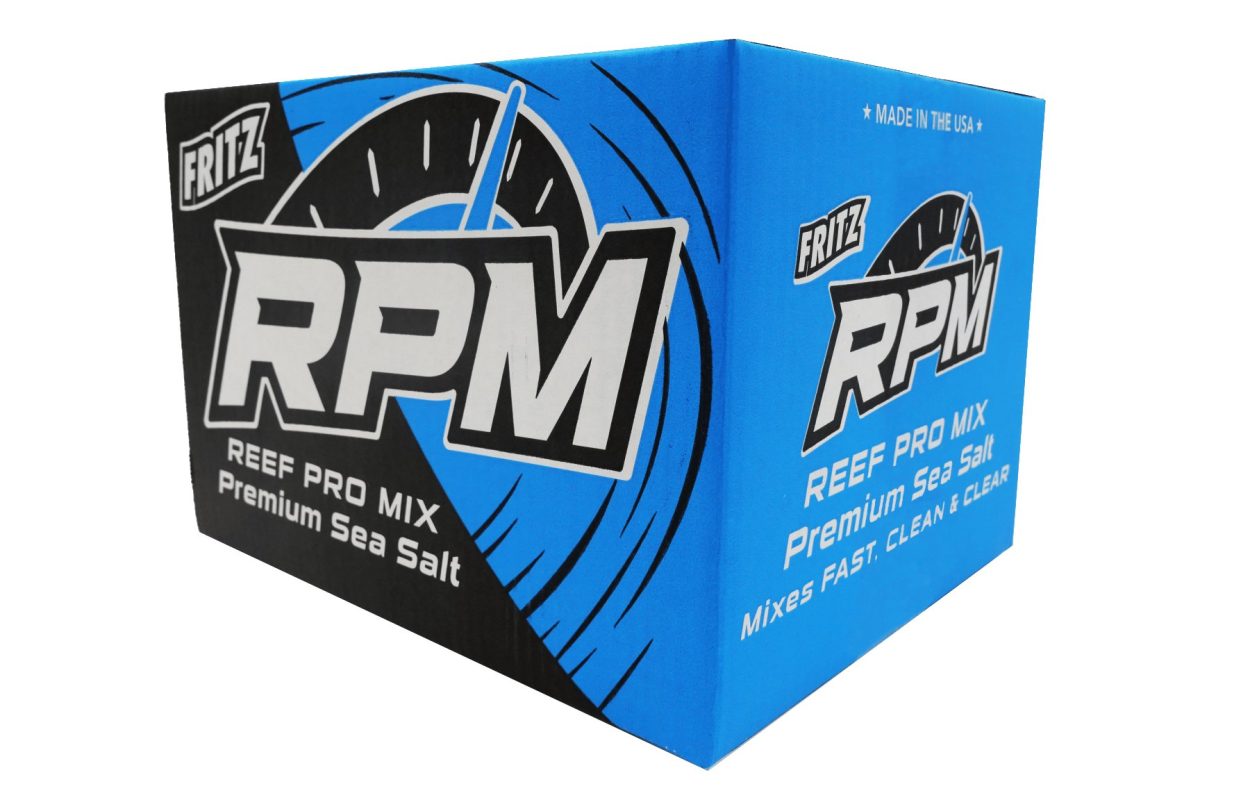
The longer ahead the water is made the better. The temperature must be the same as the aquarium water. As long as all the salt is dissolved it is safe for use in about 15 minutes. RPM Reef Pro Mix Complete Sea Saltis a high grade saltwater mix that contains all of the major elements found in sea water and it mixes quickly. Buffers are added that may give a slight cloudiness that will clear quickly. Aquavitro Salinity is another high quality salt mix and is sold only at our local store.
4) Once the new saltwater has been added to the tank, clean and restart all equipment. Always re-check the salinity.
Special Note!
As water evaporates from the aquarium, the salt concentration of the remaining water increases. Salt does not evaporate. Always add dechlorinated freshwater to top off the tank.
Synthetic Sea Salt and pH
RPM Reef Pro Mix Complete Sea Salt, 200 gallon box – This mix creates the perfect environment for delicate marine life, as well as supporting enhanced biological filtration. Extra calcium and magnesium to benefit corals and other invertebrates in reef tanks. RPM Sea Salt achieves the correct salinity, pH, calcium concentration and magnesium concentration when re-hydrated as directed. Aquavitro Salinity is sold only at local authorized dealers, like our local store.
• Do a 25% water change monthly or a 10% water change twice a month. Remember to dechlorinate the water and adjust it to the same temperature as the aquarium water.
• The pH should be 8.2. High quality salt such as RPM Sea Salt has added buffers and with proper water changes, pH should be stable. However, if pH becomes a problem with water changes in reef tanks, use Marine Buffer or Reef Builder by SeaChem. Further information is available on water parameters in the Log Sheet section.


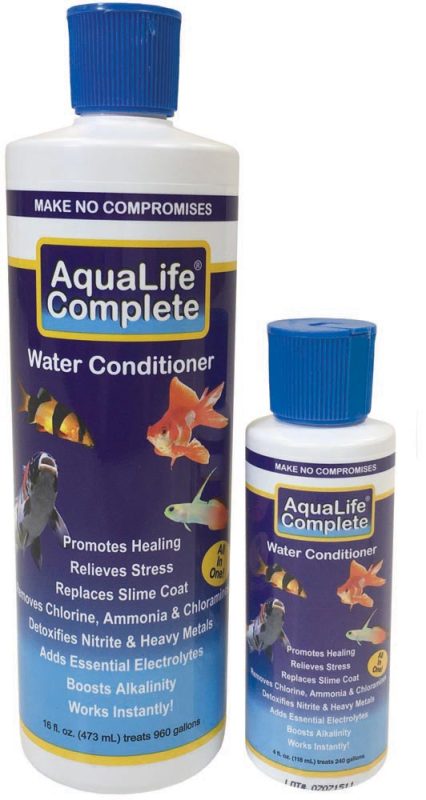
• Always add a high quality dechlorinator anytime tap water is added to the tank. aquaLife Complete is an excellent product that not only dechlorinates but adds important elements to maintain slime coat integrity and reduce stress. aquaLife Complete also detoxifies chloramines if they are present.
• Chloramines
Municipal water treatment plants in some areas, in order to make water safe for human consumption, add chemicals to the water that can kill your fish. If chloramines are present in your tap or tank water, use aquaLife Complete.
A word about tap water . . .
Tap water is prepared for human consumption and is not safe for use in aquariums. Chlorine and fluoride are added to tap water for the protection of humans but will kill your fish and wipe out the beneficial bacteria in filters. Water conditioners are inexpensive and neutralize these toxic compounds. Good water conditioners bind metals and enhance the slime coat barrier of fish to help prevent disease. Reverse osmosis or ion exchange water significantly reduces excess algae growth in reef tanks and saltwater fish tanks. Reverse Osmosis units from Aquairum Life Support Systems are among the best money can buy. These units produce soft, phosphate-, silicate-, and nitrate-free water. When using reverse osmosis water, remember to use aquaLife Complete to replace essential elements back into the water. Pre-treated water can be purchased at better aquariums stores. For small water requirements this is often very convenient.

 29-75 Gallon Marine Fish (FOWLR) Tank Setup Guide Fish Only with Live Rock
6. Choosing the Right Filter
The single most important factor in successful fish keeping is water quality. Fish and other livestock, including invertebrates and plants, are captives in a tank environment so it is imperative that keepers accept the responsibility to ensure that their environment is clean, healthy and free of disease and disease-causing situations. Most new keepers, and some seasoned keepers as well, are unaware of how quickly ammonia can pollute an entire tank and kill fish within hours. Everything can look great but within a short span of time, everything is dead.
With the wealth of information, equipment and products available today, fish keeping should be easier and more successful than ever, but, unfortunately, too often keepers ignore the basic rules and face problems. Equipment and products may come and go, but the science of maintaining a clean, disease-free environment never changes.
Filtration is critical to water quality. A filter is a compact unit packed full of high surface area media where millions of beneficial organisms flourish. As the aquarium water, filled with fish waste and other debris, passes through the filter these organisms ‘consume’ the wastes, thus eliminating the pollutants that could eventually kill the fish. The market is saturated with filters of all types and choosing which type is right for you is an important decision. The first rule of fish keeping is – understand the Nitrogen Cycle. The second rule is – buy the best filter you can afford. Every single time your tank has water quality problems, the solutions are associated with these two rules.

Filter Types and Ratings
The filters types below are described and are given a rating system from 1-5, 5 being highest based on the criteria listed below. N/A means that feature is not applicable to that filter type.
Chemical Filtration – space to accommodate carbon, resins, phosphate removers, etc.
Mechanical Filtration – capable of removing actual particulate material
Biological Filtration – active surfaces for reducing ammonia and nitrite
Ease of cleaning
Economical to use
Packing Life – time between cleanings and media replacement
Aeration – capable of oxygenating the tank water
Ease of setup
Undergravel Filters
The old standby. People either love them or hate them. Undergravel filters have huge surface areas for biological filtration and can be operated with either airstones and an air pump or powerheads. When using powerheads, remember to use the aeration feature on powerheads or an airstone. These systems are occasionally the only filters that will fit the application. The down side is without frequent gravel cleaning via water changes, undergravel filters are a problem waiting to happen. Always use additional filtration, whenever possible.
Hanging/Box Filters
Probably the most popular type of filter. Although easy to both install and maintain, these filters require frequent cleaning and pad/sponge replacement. This is, however, a fairly easy task. Remember, these units hold the aquarium away from the wall 3-5 inches. For better water quality, opt for multiple box filters instead of bells and whistles. If one filter goes down, there is a backup. Never change both pads in a double padded filter or both filters in a dual box filter setup at the same time when cleaning. Alternating the media replacement preserves important bacteria. Some filters have room for additional bio media which should be used. Some have aeration features – moving surface water also aerates but remember, heavily loaded systems benefit from a decoratively placed airstone.
Prefilters, like the AquaLife Prefilter, fit most models and increase biological and mechanical while preventing small fish and invertebrates from being injured. Rinse these filters at the first sign of reduced flow.
Internal Filters
Many filters fall into this category. They include internal sponge, powered internal, and internal box or canister filters – air powered and motor powered. Breeders love them. They are easy, low cost, low hassle filters. They all aerate and biologically filter. The old fashioned, floss-filled internal air driven box or canister filter is great for breeding tanks, small tanks or for quarantine tanks. Internal filters can be packed with a range of filter media for biological, chemical or mechanical filtration depending on the application. Because they operate by forced air, they both aerate and filter the water. If a larger tank is having problems, add an internal filter filled with high quality carbon and floss. The disadvantage of filters in this class is size – they are simply too small to handle much fish load, must be hidden and take up floor space.
Canister Filters
Canister filters are quiet running filters with high biological capacity and should be considered second choice to trickle filters. Canister filters have both pros and cons. The better designed units have good chemical filtration because no water by-passes the media. Canisters are also ideal for planted freshwater systems or when trickle filters are simply too large for the application. Canister filters provide long service life if packed properly with quality media and are economical to operate compared to box filters. Remember, these filters are closed systems and usually have lower flow rates. Use a small air pump and a decoratively placed airstone in aquariums without live plants or in saltwater systems without protein skimmers. Air pumps increase oxygen levels and act as a fail-safe in the event of a filter failure. Choose a canister filter one size larger than manufacturers recommend for heavily loaded systems or for saltwater. Larger filters are more efficient and have higher flow rates. Stay away from filters that use small internal baskets for media. Better units have either large internal baskets or trays and can be completely packed using 99% of their space for media.
Trickle Filters
This is the most important decision keepers make. Saving a few dollars at this stage can mean countless dollars in fish losses. Under-filtered tanks cause problems again and again and make fish keeping a headache instead of a pleasurable, exciting hobby. Trickle filters are the best choice for tanks above 30 gallons. Good mechanical and biological filtration maintains robust oxygen levels and keeps harmful fish waste and other decaying debris from polluting the water and killing fish. Trickle filters, because of their size and expanded biological surface area, perform these tasks better than any other form of filtration and should always be considered the first choice. Trickle filters are more reliable and easier to maintain. Since there are no costly cartridges to replace, trickle filters are also more cost effective to operate.
Protein Skimmers
Protein skimmers remove proteins and waste aiding in algae and water quality control while lessening the need for carbon use in fish only systems. They are not needed for aeration in a system with a quality trickle filter. Skimmers help in phosphate removal and should be considered mandatory to all “reef” setups. Some of the “Mud Type” systems do not call for them, however, they could be added if needed. Skimmers increase the efficiency of any system. Remember, all skimmers require cleaning and regular checking.
Ultraviolet Sterilizers
Technically not filters, UV sterilizers certainly affect water quality. These units kill unwanted bacteria and parasitic pathogens thus reducing chances of disease outbreaks or spreading. They also help clear bacterial blooms that sometimes cause white, cloudy water. No store central systems go without sterilizers and that speaks for itself. These, like protein skimmers, can be added at any time. Some “reef” keepers install them in case a problem arises. Sterilizers can be turned on when adding new fish or as needed.